Why Some Toes Curl, and What You Can Do About It
Understanding Toe Deformities: Why Some Toes Curl
At The Foot and Lower Limb Clinic in Brighouse and Colne, many patients come to us with concerns about their toes curling. This common issue can affect not just the aesthetic appearance of the feet but also lead to discomfort and complications. In this article, we'll explore the reasons why some toes curl, the conditions related to this issue, and what treatments are available to help you manage it effectively.
What Causes Toes to Curl?
Curling toes, often referred to as claw toes or hammertoes, can result from various factors. Here are some of the primary causes:
- Genetics: A family history of foot deformities can predispose individuals to developing curled toes.
- Improper Footwear: Wearing tight or ill-fitting shoes can restrict toe movement, leading to abnormal positioning.
- Neuromuscular Disorders: Conditions such as stroke or cerebral palsy can affect muscle control, resulting in toe deformities.
- Aging: As we age, the ligaments and tendons may lose elasticity, contributing to changes in toe position.
- Injury: Foot injuries can lead to structural changes in the toes, causing them to curl.
What Conditions Are Associated with Curling Toes?
Curling of the toes is not just a cosmetic problem; it may be linked to underlying foot conditions, including:
- Hammertoe: This condition causes one or more joints in the toe to be permanently bent, resembling a hammer. It can arise from muscle imbalances, leading to discomfort and functional issues.
- Claw Toe: Similar to hammertoe, but involves curling of the toe at both the middle and the end joints, often associated with conditions like diabetes and arthritis.
- Malunion or Nonunion of Toe Fractures: If a fracture in the toe heals improperly, it might leave the toe in a curled position.
- Neuropathy: Conditions that affect nerve function, such as diabetic neuropathy, can alter foot mechanics and lead to toe curling.
How Can I Treat Curling Toes?
Managing curled toes often involves a combination of self-care strategies and professional treatment. Here are some approaches:
1. Footwear Modifications
Choosing the right shoes is crucial. Opt for footwear that provides:
- Ample toe space to avoid cramping
- Flexible soles to allow natural foot movement
- Good arch support to keep the foot aligned
2. Stretching and Strengthening Exercises
Regular exercises can help improve flexibility and strength. Some effective exercises include:
- Toe stretches: Gently pull on your toes to elongate them.
- Resistance exercises: Use a towel under your toes and try to pull it towards you.
3. Orthotic Devices
Custom orthotics can be beneficial in correcting foot mechanics. They can redistribute pressure and enhance comfort for those with curled toes.
4. Surgical Options
In severe cases, surgical intervention may be necessary. Procedures can involve:
- Corrective surgery to realign the toe joints
- Removing bone spurs or other impediments affecting toe positioning
5. Consult a Podiatrist
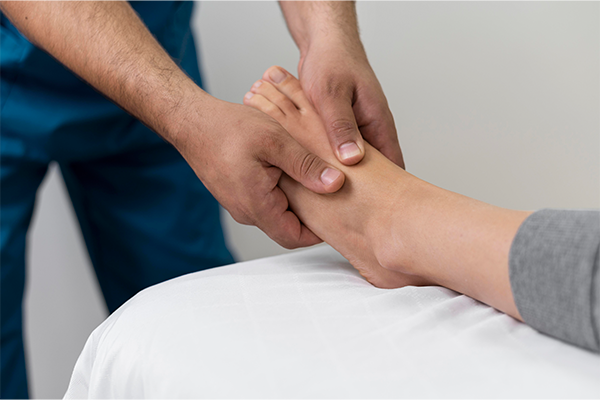
Regular evaluations by a podiatrist can help monitor the condition and adjust treatment plans as needed. At The Foot and Lower Limb Clinic, we provide personalized assessments to determine the best course of action.
Frequently Asked Questions (FAQ)
1. Are curling toes a common problem?
Yes, curled toes are relatively common and can affect individuals of all ages, often becoming more pronounced with age.
2. Can curling toes lead to other foot problems?
Yes, curled toes can contribute to other issues, such as corns, calluses, and joint pain due to the altered mechanics of walking.
3. Is it possible to prevent curled toes?
While not all cases are preventable, wearing supportive footwear and performing regular foot exercises can help reduce the risk.
4. When should I see a podiatrist for curled toes?
If you experience pain, discomfort, or difficulty walking due to curled toes, it is advisable to consult a podiatrist promptly.
5. What is the best footwear for preventing curled toes?
Look for shoes with a wide toe box, proper arch support, and flexible materials to allow for natural toe movement.
Conclusion
Understanding the causes and treatments for curled toes is essential for maintaining foot health. If you're experiencing discomfort or changes in your toe shape, don’t hesitate to seek professional help. At The Foot and Lower Limb Clinic in Brighouse and Colne, we’re committed to providing comprehensive care for all of your foot and lower limb needs. Book your appointment today to discuss your concerns with our expert team!