
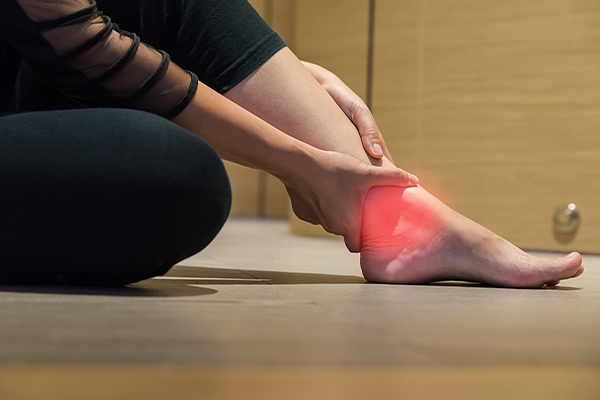
Why Some Foot Problems Keep Returning
Introduction
At The Foot and Lower Limb Clinic, located in Brighouse and Colne, we often encounter patients who struggle with recurring foot problems. Understanding the reasons behind these persistent issues is critical for effective treatment and long-term relief. In this article, we’ll explore why some foot conditions keep returning, delve into their causes, and discuss how you can manage and prevent them.
What Causes Recurring Foot Problems?
Foot problems, such as plantar fasciitis, bunions, and Achilles tendinitis, may recur due to several reasons:
- Inadequate Treatment: Sometimes, the initial treatment may not adequately address the root cause of the problem, leading to a return of symptoms.
- Biomechanical Issues: Foot mechanics play a significant role in how weight is distributed across the foot. Overpronation or supination can contribute to stress on various parts of the foot, causing issues to reoccur.
- Insufficient Rehabilitation: After an injury or condition, failing to follow through with rehabilitation exercises can weaken the foot structure and lead to further problems.
- Improper Footwear: Shoes that do not provide adequate support or fit poorly can exacerbate existing conditions or lead to new ones.
- Underlying Health Conditions: Conditions such as diabetes or arthritis can increase susceptibility to foot problems and make healing more complex.
How Can I Identify the Symptoms of Recurring Foot Problems?
Symptoms of recurring foot issues may vary based on the specific condition, but common signs include:
- Pain in the heel, arch, or ball of the foot
- Swelling and inflammation
- Stiffness or limited range of motion
- Changes in foot structure, such as bunions or hammertoes
- Tenderness when walking or bearing weight
If you notice these symptoms frequently, it may be time to consult a podiatrist for an accurate diagnosis and effective treatment plan.
What Treatments Are Available for Recurring Foot Problems?
Effective treatment often depends on the specific foot condition, but common options include:
- Physical Therapy: Tailored exercises can strengthen and stretch the muscles, improving flexibility and reducing pain.
- Orthotic Devices: Custom-made insoles or braces can help correct biomechanical issues and provide necessary support.
- Medications: Nonsteroidal anti-inflammatory drugs (NSAIDs) can alleviate pain and reduce inflammation.
- Corticosteroid Injections: For persistent inflammation, injections can provide relief directly into the affected area.
- Surgery: In severe cases, surgical intervention might be necessary to correct structural problems or relieve persistent pain.
How Can I Prevent Foot Problems from Returning?
Preventative measures are essential for keeping foot problems at bay. Here are some strategies:
- Wear proper footwear that provides adequate support and fits well, especially if you engage in physical activities.
- Follow a regular stretching and strengthening routine for your feet and legs to enhance flexibility and resilience.
- Maintain a healthy weight to reduce excess pressure on your feet.
- Be mindful of any foot pain and address it promptly to prevent it from becoming a chronic issue.
- Regularly consult with a podiatrist for professional advice and assessments, especially if you have underlying conditions like diabetes.
Conclusion
Recurrences of foot problems can be frustrating, but understanding the underlying causes and actively taking preventive measures can significantly improve your health and comfort. At The Foot and Lower Limb Clinic in Brighouse and Colne, our team is dedicated to providing you with the care and resources you need to keep your feet healthy. If you're experiencing recurring foot issues or need personalized advice, book an appointment with us today.
FAQ
1. What are common causes of foot pain?
Common causes include plantar fasciitis, bunions, neuropathy, Achilles tendinitis, and various types of arthritis.
2. How can I tell if my foot pain is serious?
If your foot pain persists despite rest, causes significant discomfort, or is accompanied by swelling or difficulty walking, seek professional evaluation.
3. Are custom orthotics worth it?
Yes, custom orthotics can provide essential support and alignment for patients with specific foot issues, contributing to pain relief and better foot health.
4. How often should I replace my athletic shoes?
Generally, it is recommended to replace athletic shoes every 300-500 miles or every 6-12 months, depending on usage and wear.
5. Can foot problems be linked to nutritional deficiencies?
Yes, nutritional deficiencies, particularly in vitamins and minerals essential for bone and muscle health, can impact foot function and healing.


