Why Rest Alone Doesn’t Fix Heel Pain
Understanding Heel Pain
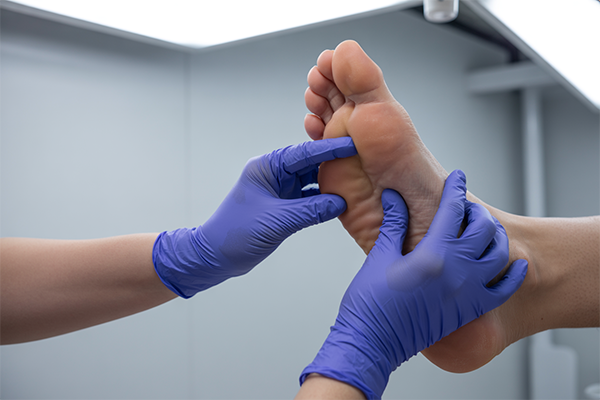
Heel pain is a common complaint among patients visiting The Foot and Lower Limb Clinic in Brighouse and Colne. While many individuals believe that simply resting their feet can resolve the issue, it is essential to recognize that this approach may not always be effective. In this article, we’ll explore why rest alone often fails to alleviate heel pain and what comprehensive treatment options are available.
What Causes Heel Pain?
Heel pain can stem from various conditions, each requiring specific attention and treatment. Here are some of the most common causes:
- Plantar Fasciitis: Inflammation of the plantar fascia, which is the thick band of tissue that runs across the bottom of your foot.
- Achilles Tendinitis: Inflammation or injury to the Achilles tendon, which connects the calf muscles to the heel bone.
- Heel Spurs: Bony growths on the underside of the heel bone, often associated with plantar fasciitis.
- Sever’s Disease: A common cause of heel pain in growing children, resulting from inflammation of the growth plate in the heel.
- Bursitis: Inflammation of the bursa, a fluid-filled sac that reduces friction between tissues, which can occur in the heel area.
Why Doesn’t Rest Alone Fix Heel Pain?
While resting the affected area can provide temporary relief, it does not address the underlying cause of heel pain. Here are some reasons why relying solely on rest may not yield positive results:
- Muscle Weakness: Prolonged rest can contribute to muscle weakness, especially in the calf and foot. Weak muscles can exacerbate heel pain in the long run.
- Inflammation Persisting: Conditions like plantar fasciitis and Achilles tendinitis often require active intervention to reduce inflammation, which rest alone cannot achieve.
- Posture and Gait Issues: Heel pain can be aggravated by improper walking mechanics or posture. Rest does not address these biomechanical issues.
- Delayed Recovery: Not actively treating the cause can prolong recovery time and lead to chronic pain conditions, necessitating more intensive interventions later.
How Can I Treat Heel Pain Effectively?
Effective treatment for heel pain involves a combination of rest, active therapies, and possibly lifestyle changes. Here are some recommended treatments:
- Physical Therapy: A podiatrist may recommend targeted exercises to strengthen foot muscles, improve flexibility, and correct gait anomalies.
- Orthotics: Custom-made orthotic devices can provide better arch support, redistributing pressure and reducing strain on the heel.
- Stretching Exercises: Regular stretching of the calf muscles and plantar fascia can alleviate tension and promote healing.
- Cold Therapy: Applying ice to the heel can help reduce inflammation post-activity.
- Medication: Nonsteroidal anti-inflammatory drugs (NSAIDs) can help reduce pain and inflammation when paired with other treatments.
- Surgery: In cases where conservative treatments fail, surgical options may be explored, particularly for severe cases of plantar fasciitis or heel spurs.
When Should I See a Podiatrist?
If you experience persistent heel pain that disrupts daily life or worsens over time, it’s essential to consult a podiatrist. Symptoms indicating a need for professional assessment include:
- Severe pain that does not improve with rest or home treatment.
- Pain that worsens with specific activities like walking or running.
- Swelling, redness, or warmth in the heel area.
- Difficulty walking or standing.
Timely intervention can prevent the development of chronic conditions and improve your quality of life.
FAQ: Common Questions About Heel Pain
- Can I still exercise if I have heel pain? It depends on the severity and cause of the pain. Consult your podiatrist before resuming any exercise regimen.
- What footwear is best for heel pain? Supportive shoes with good arch support and cushioning are recommended. Avoid flat shoes or high heels.
- How long does it typically take to recover from heel pain? Recovery times vary based on the condition and treatment plan but can take weeks to months.
- Are there any home remedies I can try? Yes, rest, ice, over-the-counter pain relievers, and gentle stretching can help but should not replace professional consultation if symptoms persist.
- Is surgery always necessary for heel pain? No, most cases can be managed with conservative treatments. Surgery is typically a last resort.
Conclusion
Understanding that rest alone is not a comprehensive solution for heel pain is crucial for effective recovery. At The Foot and Lower Limb Clinic in Brighouse and Colne, we are dedicated to providing tailored treatment plans that address the specific underlying causes of heel pain. Whether you’re experiencing acute discomfort or dealing with chronic issues, our expert team is here to help you return to a pain-free lifestyle.
If you're ready to take the next step toward relief, book an appointment with us today.