Why Heel Pain Keeps Coming Back
Understanding Recurring Heel Pain
Welcome to The Foot and Lower Limb Clinic, serving Brighouse and Colne. If you've been struggling with heel pain that keeps coming back, you’re not alone. Many patients experience this frustrating issue, which can significantly affect your quality of life. In this article, we will explore the common causes of recurring heel pain, effective treatment options, and preventative measures to help you regain your mobility.
What Causes Recurring Heel Pain?
The heel is a complex structure composed of bones, tendons, ligaments, and soft tissues. Various conditions can contribute to persistent heel pain, including:
- Plantar Fasciitis: This is the most common cause of heel pain, characterized by inflammation of the plantar fascia, a thick band of tissue that runs across the bottom of your foot.
- Achilles Tendinitis: Inflammation of the Achilles tendon can lead to pain at the back of the heel, especially in runners and active individuals.
- Heel Spurs: These bony growths can develop on the underside of the heel bone, often associated with plantar fasciitis.
- Bursitis: Inflammation of the bursa, a fluid-filled sac that cushions the heel, can cause localized pain.
- Sever's Disease: Common in adolescents, this condition results from growth plate inflammation in the heel.
How Can I Treat Recurring Heel Pain?
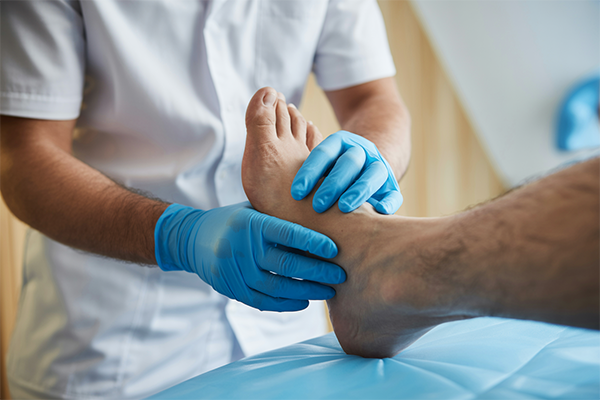
At The Foot and Lower Limb Clinic, we offer a range of evidence-based treatment options to address heel pain:
- Physical Therapy: A tailored rehabilitation program can strengthen the muscles and tendons in the foot and leg, improving flexibility and reducing pain.
- Orthotic Devices: Custom orthotics can provide support, alleviate pressure, and improve foot mechanics.
- Medications: Non-steroidal anti-inflammatory drugs (NSAIDs) can reduce pain and inflammation, while corticosteroid injections may be recommended for more severe cases.
- Extracorporeal Shock Wave Therapy: This advanced treatment involves delivering shock waves to the heel, promoting healing and reducing pain.
- Surgery: In extreme cases where conservative treatments fail, surgery may be considered to relieve pain and correct structural issues.
Preventing Heel Pain from Coming Back
Prevention is key to avoiding recurrent heel pain. Here are some practical tips:
- Wear Appropriate Footwear: Choose shoes that provide adequate support and cushioning. Avoid high heels and flip-flops for extended periods.
- Maintain a Healthy Weight: Excess weight can place additional stress on your feet. A balanced diet and regular exercise can help manage your weight.
- Incorporate Stretching: Regular stretching of the calf and foot muscles can improve flexibility and reduce tension.
- Avoid Overuse: Balance activity with rest, especially if you engage in high-impact sports or activities.
- Consult a Podiatrist: Regular check-ups with a podiatrist can help monitor your foot health and catch any potential problems early on.
What Should I Do If the Pain Persists?
If your heel pain continues despite home care and preventive measures, it's essential to seek medical attention. Persistent pain may signal an underlying issue that requires professional evaluation. Our team at The Foot and Lower Limb Clinic specializes in diagnosing the root causes of foot pain and implementing effective treatment plans tailored to your needs.
FAQs about Heel Pain
- 1. What are the symptoms of plantar fasciitis? Symptoms typically include sharp pain in the heel, especially after prolonged periods of rest or first thing in the morning.
- 2. Can heel pain be caused by flat feet? Yes, flat feet can lead to improper foot mechanics, placing extra stress on the heel and contributing to pain.
- 3. How long does it take to recover from heel pain? Recovery can vary depending on the cause and treatment approach, ranging from weeks to several months.
- 4. Are there any home remedies for heel pain? Ice therapy, stretching, and over-the-counter pain medications may provide temporary relief.
- 5. When should I see a podiatrist for heel pain? If pain persists for more than a few weeks or affects your daily activities, it's time to consult a podiatrist.
Get Help for Your Heel Pain
At The Foot and Lower Limb Clinic in Brighouse and Colne, we are dedicated to helping you find relief from heel pain and improve your quality of life. If you're tired of dealing with recurring heel pain, don't hesitate to book an appointment with our experienced team today. Schedule your consultation now!