Why Your Foot Pain Keeps Coming Back – and How to Break the Cycle
Understanding the Cycle of Recurring Foot Pain
If you’re experiencing persistent foot pain, you’re not alone. At The Foot and Lower Limb Clinic in Brighouse and Colne, we frequently encounter patients frustrated by the cycle of pain that seems to return despite treatment. Understanding why your foot pain keeps coming back is crucial in breaking this cycle and achieving long-term relief.
What Causes Recurring Foot Pain?
Several underlying factors can contribute to recurring foot pain. Here are some of the most common conditions we see:
- Plantar Fasciitis: Inflammation of the plantar fascia—the band of tissue that runs across the bottom of your foot—often manifests as heel pain that can return if not adequately treated.
- Achilles Tendinitis: This condition involves inflammation of the Achilles tendon and can lead to persistent pain at the back of the heel, particularly with overuse or improper footwear.
- Metatarsalgia: Pain in the ball of the foot often results from excessive pressure or improper foot mechanics, which can return if the root cause (like biomechanics) isn’t addressed.
- Bunions: A bunion is a bony bump that forms on the joint at the base of the big toe. This structural deformity can lead to chronic pain and discomfort if footwear and alignment are not corrected.
- Neuromas: A neuroma is a thickening of nerve tissue, usually occurring between the toes, leading to sharp, burning pain, which often recurs if triggers are not identified.
Why Do Treatments Seem Temporary?
Many treatments provide short-term relief but fail to address the underlying causes of foot pain:
- Over-Reliance on Pain Relief: Using over-the-counter pain relievers or anti-inflammatory medications can mask symptoms without treating the root issue.
- Inadequate Rehabilitation: Failing to incorporate physical therapy or stretching exercises into treatment can leave the underlying problem unaddressed.
- Improper Footwear: Continuing to wear ill-fitting shoes can exacerbate foot conditions and lead to recurring pain.
- Biomechanical Issues: Issues such as flat feet or high arches can lead to an imbalance; if not corrected with orthotics or other interventions, pain can return.
- Neglecting Follow-Up Care: Many patients do not seek follow-up care or reevaluation, allowing minor issues to develop into chronic conditions.
How Can I Treat and Prevent Recurring Foot Pain?
Breaking the cycle of recurring foot pain involves a multifaceted approach:
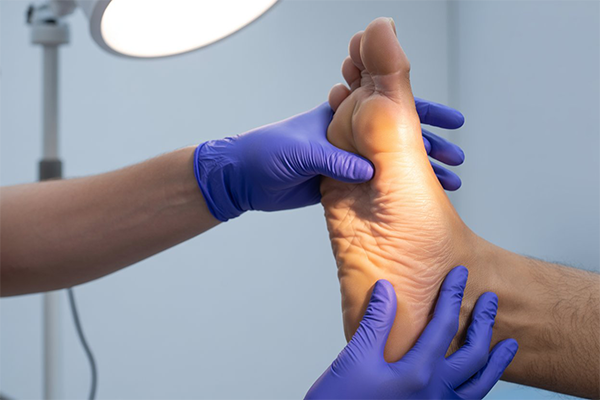
- Consult a Podiatrist: Engaging with a specialist at The Foot and Lower Limb Clinic can help identify the specific issues causing your pain. This pivotal step allows for tailored treatment plans.
- Customized Treatment Plans: Treatment may include physical therapy, custom orthotics, or other modalities that address both symptoms and underlying causes.
- Footwear Assessment: Wearing appropriate shoes that offer adequate support is crucial. An assessment can guide you in selecting the right footwear.
- Regular Foot Exercises: Incorporate stretching and strengthening exercises to improve the strength and flexibility of your foot’s muscles and tendons.
- Weight Management: Maintaining a healthy weight can reduce stress on your feet and lower limbs, alleviating function-related pain.
- Follow-Up Appointments: Regular check-ups with your podiatrist will help monitor your condition and make adjustments to your treatment as necessary, fostering better outcomes.
When Should I Seek Help for Foot Pain?
While some foot pain can be managed with at-home remedies, certain signs indicate it’s time to seek professional help:
- Persistent pain lasting more than a few days
- Swelling or visible deformities
- Pain that interferes with daily activities or normal walking
- Difficulty putting weight on your foot
- Signs of infection, such as redness or warmth
FAQs About Recurring Foot Pain
1. Can foot pain indicate a more serious condition?
Yes, chronic foot pain can be a symptom of conditions like rheumatoid arthritis or diabetes-related neuropathy. Early evaluation by a podiatrist is essential.
2. Is surgery the only option for persistent foot pain?
No, many cases can be managed non-surgically through physical therapy, orthotics, medication, and lifestyle changes. Surgery is usually a last resort.
3. How long does it take to recover from foot pain?
Recovery time can vary significantly based on the underlying cause and treatment. Some conditions may resolve in weeks, while others may take months or longer.
4. What exercises can help relieve foot pain?
Common exercises include calf stretches, toe curls, and arch strengthening exercises, which can help alleviate pain and improve function.
5. How can I choose the right footwear for my foot condition?
Consulting with a podiatrist can guide you in choosing footwear that provides the necessary support and cushioning for your specific foot type and condition.
Ready to Break the Cycle of Foot Pain?
Are you tired of dealing with recurring foot pain? At The Foot and Lower Limb Clinic in Brighouse and Colne, our dedicated team is here to help you identify the causes of your pain and create a personalized treatment plan. Don’t let foot pain dictate your life — book your appointment today and take the first step toward a pain-free future.