
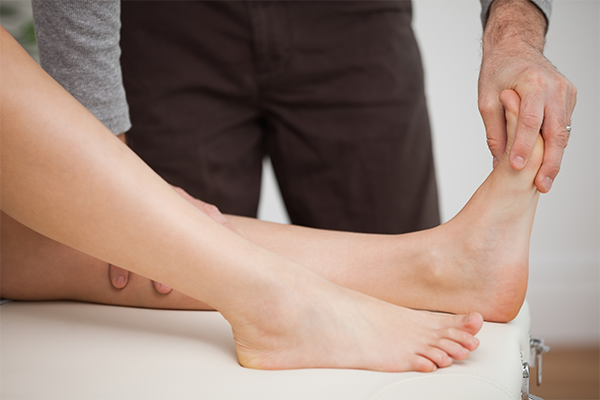
Why Your Feet Feel Swollen After a Long Day
Understanding Foot Swelling After a Long Day
At The Foot and Lower Limb Clinic, located in Brighouse and Colne, many patients come to us experiencing swollen feet after prolonged periods of standing or walking. While it can be a common occurrence, understanding the reasons behind foot swelling is crucial for effective management. In this article, we delve into the various causes, treatments, and preventative measures for swollen feet.
What Causes Feet to Swell?
Swelling in the feet, also known as peripheral edema, can result from several underlying issues. Here are some common causes:
- Prolonged Standing or Sitting: When you stand or sit for extended periods, gravity causes fluid to accumulate in the lower extremities, leading to swelling.
- Injury or Trauma: Sprains, fractures, or other injuries can cause localized swelling due to inflammation.
- Foot Conditions: Conditions such as plantar fasciitis, arthritis, and venous insufficiency can contribute to swelling. Inflammatory responses from these conditions can lead to edema.
- Medical Conditions: Certain health conditions, like heart disease, kidney disease, or liver dysfunction, can lead to fluid retention throughout the body, manifesting in the feet.
- Pregnancy: Hormonal changes and increased fluid retention during pregnancy can also lead to swelling in the feet and ankles.
How Can I Treat Swollen Feet?
Managing swollen feet involves addressing the underlying cause. Here are some effective treatments:
- Elevation: Elevate your feet when resting to promote fluid drainage and reduce swelling.
- Compression: Wearing compression stockings can help apply pressure to the legs, improving circulation and preventing fluid accumulation.
- Hydration: Ensure you are well-hydrated, as dehydration can cause your body to hold onto fluids, exacerbating swelling.
- Exercise: Regular physical activity can improve circulation and reduce swelling. Aim for low-impact exercises, such as walking or swimming.
- Foot Soaks: Soaking your feet in cool water can provide temporary relief and reduce swelling.
When Should I See a Podiatrist?
If foot swelling persists, worsens, or is accompanied by other symptoms such as severe pain, redness, or warmth, it is vital to seek professional help. Conditions such as deep vein thrombosis (DVT) or infections require immediate medical attention. At The Foot and Lower Limb Clinic, our experts can conduct a thorough examination and recommend appropriate treatments.
What Footwear Can Help with Swelling?
Suitable footwear is essential for preventing foot swelling. Consider the following tips:
- Choose Proper Fit: Shoes that are too tight can impede circulation. Ensure your shoes fit well and provide adequate support.
- Avoid High Heels: High-heeled shoes can contribute to foot swelling and discomfort. Opt for comfortable, supportive footwear.
- Look for Breathable Materials: Shoes made of breathable materials can help keep your feet cool and reduce swelling.
How Can Lifestyle Changes Help Prevent Swollen Feet?
Making certain lifestyle adjustments can be beneficial in reducing the risk of swollen feet:
- Weight Management: Maintaining a healthy weight can reduce pressure on your feet and lower legs.
- Healthy Diet: Eating a balanced diet low in salt can help manage fluid retention.
- Regular Movement: Incorporate breaks and mobility exercises into your daily routine, especially if your job requires long periods of sitting or standing.
FAQs About Swollen Feet
- Why do my feet swell after exercise? Exercise can lead to fluid accumulation as blood flow increases to your muscles, causing temporary swelling.
- Is swollen feet a sign of a serious condition? In some cases, persistent swelling may indicate an underlying health issue and should be evaluated by a healthcare professional.
- Can diet affect foot swelling? Yes, a diet high in sodium can contribute to fluid retention, which may lead to swelling.
- Are there specific stretches to reduce foot swelling? Gentle ankle pumps and calf stretches can help improve circulation and reduce swelling.
- How often should I elevate my feet? Elevating your feet for about 15-30 minutes several times a day can help mitigate swelling.
Conclusion
In summary, swollen feet after a long day can be a result of varying factors, from lifestyle to underlying medical conditions. If you frequently experience swelling or have concerns about your foot health, do not hesitate to contact The Foot and Lower Limb Clinic in Brighouse and Colne. Our knowledgeable staff are ready to assist you with expert care tailored to your needs. Book your appointment today!


