Why DIY Foot Care Isn’t Always Safe
Understanding the Risks of DIY Foot Care
At The Foot and Lower Limb Clinic, located in Brighouse and Colne, we often find that patients attempt to manage their foot problems with DIY solutions. While self-care is commendable, it is essential to understand that not all foot conditions can be safely treated at home. In this article, we will explore why DIY foot care isn’t always safe and when you should seek professional help.
What Common Foot Conditions Are Mismanaged by DIY Treatments?
Various foot conditions can arise, each requiring specific attention. Here are some common concerns:
- Plantar Fasciitis: Characterised by heel pain, this condition often requires tailored stretching and strengthening exercises that can be overlooked in DIY methods.
- Fungal Infections: Athlete's foot and nail fungus may seem treatable with over-the-counter creams, but these infections can worsen without proper diagnosis and targeted antifungal treatments.
- Corn and Callus Care: While it may be tempting to cut corns or calluses at home, improper techniques can lead to infections or further thickening.
- Ingrown Toenails: Attempting to trim or remove an ingrown toenail can exacerbate the situation, leading to pain and infection.
What Causes Foot Conditions to Worsen with DIY Care?
The anatomy of the foot is complex, consisting of bones, ligaments, tendons, and nerves. Sadly, DIY attempts often lack an understanding of this complexity, which can lead to poor treatment outcomes. Here are some reasons DIY care may worsen foot conditions:
- Lack of Accurate Diagnosis: Many foot ailments share similar symptoms. Without professional assessment, you may treat the wrong condition, delaying appropriate care.
- Inadequate Tools and Techniques: Professionals use clinical-grade tools and techniques for safe treatment, something not available in home settings.
- Risk of Infection: DIY techniques often involve unsterilized tools, which can lead to infections or complications.
- Worsening Symptoms: Without proper treatment, symptoms may become exacerbated, leading to chronic issues.
How Can I Treat My Foot Conditions Safely?
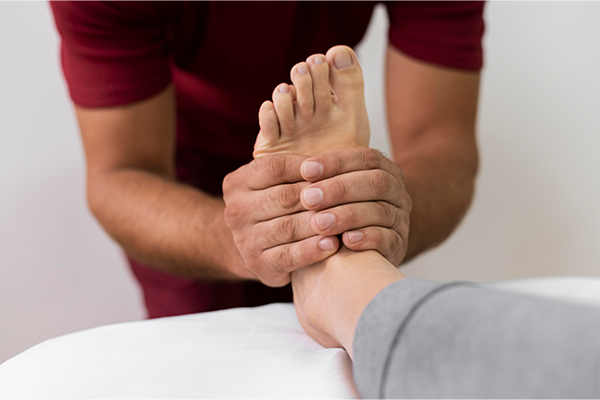
For safe and effective treatment, it is always best to consult with a podiatrist. Here are ways we can help:
- Comprehensive Assessment: We perform thorough examinations and diagnostic tests to understand your condition.
- Personalised Treatment Plans: Our podiatrists develop individualised care strategies based on your specific needs and circumstances.
- Access to Advanced Treatments: From custom orthotics to surgical interventions, we offer a range of treatments not available for DIY attempts.
- Post-Treatment Guidance: Our team provides advice on proper foot hygiene and care after treatment to ensure lasting benefits.
When Should You Seek Professional Help?
If you experience persistent pain, swelling, or any foot-related issue that does not improve with basic home care, it’s time to consult a podiatrist. Some signs that warrant immediate professional attention include:
- Severe pain that interferes with daily activities
- Signs of infection, such as redness, warmth, or discharge
- Persistent or worsening swelling
- Changes in skin color or temperature in the feet
Frequently Asked Questions (FAQ)
1. Can I treat plantar fasciitis at home?
While you can perform gentle stretching and use ice, it is advisable to seek professional treatment for a comprehensive care plan.
2. What are the signs of a toenail infection?
Signs include redness, swelling, pain, and pus around the nail, requiring immediate professional evaluation.
3. How often should I see a podiatrist?
If you have chronic foot problems or diabetes, regular visits every 6-12 months are generally recommended.
4. Are there safe home remedies for foot care?
Some practices, like regular washing and moisturizing, are safe. However, any treatment for specific conditions should be done under professional guidance.
5. What should I do if I have an ingrown toenail?
It’s crucial to avoid self-treatment and consult a podiatrist for proper assessment and care to prevent complications.
Conclusion
While DIY foot care may seem convenient, it is not always the safest option. At The Foot and Lower Limb Clinic in Brighouse and Colne, we provide expert evaluation and treatment of foot conditions that can help you avoid the risks associated with at-home remedies. Your feet deserve professional attention, so don't hesitate to reach out to us for care.
Book your appointment today: Online Booking