Verrucas in Colne: How They Spread and How to Stop Them
Introduction
Welcome to The Foot and Lower Limb Clinic, your trusted podiatry clinic located in both Brighouse and Colne. One common concern we encounter is verrucas, often referred to as plantar warts. These pesky growths can be both painful and embarrassing, but understanding how they spread and how to treat them is essential for effective management. In this article, we’ll delve into the causes, treatments, and preventive measures related to verrucas.
What Are Verrucas?
Verrucas are small, wart-like growths that appear on the soles of the feet. They are caused by the human papillomavirus (HPV), which infects the top layer of skin. This virus thrives in warm, moist environments, making public places like swimming pools, locker rooms, and communal showers common hotspots for transmission.
What Causes Verrucas in Colne?
The primary cause of verrucas is HPV. The virus infects skin cells, leading to rapid cell growth, resulting in the formation of a thickened, rough area of skin. Factors contributing to the risk of developing verrucas include:
- Direct contact with an infected person or surface
- Weakened immune system
- Moist environments that allow the virus to flourish
- Existing foot conditions, such as athlete's foot
How Do Verrucas Spread?
Verrucas can spread in several ways, predominantly:
- Direct contact: Touching a verruca on someone else's foot can lead to infection.
- Indirect contact: Walking barefoot in areas where someone with a verruca has walked increases your risk.
- Personal items: Sharing socks, shoes, or towels with an infected individual can also facilitate spread.
How Can I Treat Verrucas?
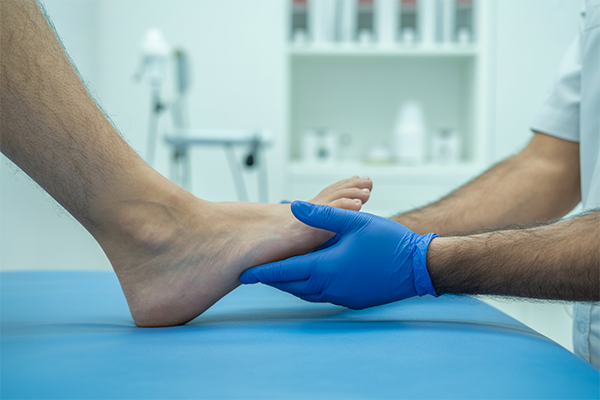
Treating verrucas involves removing the wart and reducing discomfort. Here are several treatments commonly recommended by podiatrists:
- Salicylic acid: This over-the-counter treatment helps exfoliate the verruca by softening the hard skin layer, allowing for easier removal.
- Cryotherapy: This professional treatment involves freezing the verruca with liquid nitrogen, causing it to blister and eventually fall off.
- Laser therapy: For persistent verrucas, laser treatment may be advised to destroy the wart tissue.
- Electrosurgery: This method uses electrical currents to remove the verruca.
- Immune therapy: Strengthening the immune response can help your body fight the HPV virus.
It's essential to consult with a qualified podiatrist at The Foot and Lower Limb Clinic for tailored advice and treatment options, ensuring the most effective and safe methods are used based on individual circumstances.
How to Prevent Verrucas?
Prevention is key to avoiding verrucas. Here are some practical steps you can take:
- Avoid walking barefoot: Especially in communal areas such as pools, gyms, and showers.
- Keep feet dry: Moisture encourages HPV growth, so dry your feet thoroughly after showers and swimming.
- Use antifungal powders: Applying these to your feet can help reduce moisture.
- Wear flip-flops: In shared facilities to protect your feet from direct contact.
- Don’t share personal items: Such as towels, socks, and shoes.
When Should You See a Podiatrist?
If you suspect you have a verruca and it causes pain, spreads, or does not respond to over-the-counter treatments, it’s essential to schedule an appointment with a podiatrist. At The Foot and Lower Limb Clinic, our experienced team provides comprehensive assessments and can recommend appropriate treatment plans tailored to your needs.
Frequently Asked Questions (FAQ)
1. Can verrucas go away on their own?
Yes, verrucas may resolve on their own over time as the immune system clears the virus. However, this can take months or even years.
2. Are verrucas contagious?
Yes, verrucas are contagious. They can spread through direct and indirect contact.
3. Can I cover a verruca with a bandage?
Covering a verruca with a bandage may help prevent spreading the virus but will not eliminate it. Consultation for treatment is advised.
4. Do verrucas hurt?
Verrucas can be painful, particularly if they are located on weight-bearing areas of the foot, such as the heel or ball of the foot.
5. What happens if a verruca is left untreated?
If left untreated, verrucas may persist, spread, or even lead to secondary infections due to surrounding skin irritation.
Conclusion
Understanding verrucas is crucial for effectively managing and preventing their spread. At The Foot and Lower Limb Clinic, we are committed to helping residents of Brighouse and Colne with their foot health needs. If you’re experiencing issues with verrucas, don’t hesitate to reach out for professional care. Book an appointment today and take the first step toward healthier feet!