
Verrucas in Brighouse: Common Mistakes to Avoid
Understanding Verrucas: What Are They?
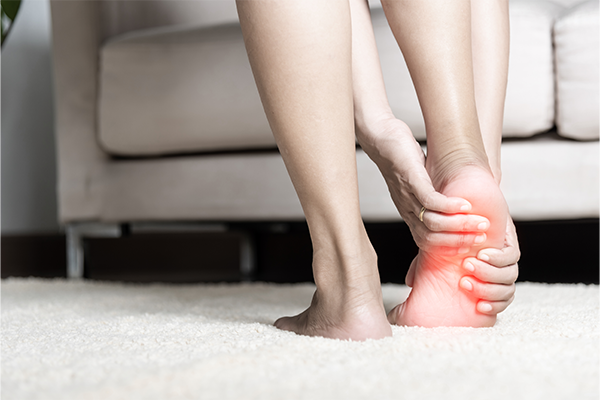
Verrucas, also known as plantar warts, are benign epithelial tumours caused by the human papillomavirus (HPV). They typically appear on the soles of the feet, often causing pain during weight-bearing activities. If you're located in Brighouse or Colne, and you're experiencing discomfort or other symptoms related to verrucas, The Foot and Lower Limb Clinic is here to help.
What Causes Verrucas?
Verrucas form when the HPV infects the skin through small cuts or abrasions. Factors contributing to their development include:
- Weakened immune system
- Walking barefoot in damp areas (e.g., swimming pools, gym showers)
- Close contact with an infected person
Understanding these causes can help you take proactive measures to prevent infection.
Common Mistakes to Avoid When Dealing with Verrucas
1. Ignoring Early Symptoms
One of the most common mistakes is disregarding early signs of verrucas, such as small, rough spots on the soles of your feet. Early intervention can significantly expedite healing and lessen discomfort.
2. Self-Diagnosis
Many people attempt to diagnose verrucas on their own, but self-diagnosis can lead to mismanagement. It's essential to consult a professional at The Foot and Lower Limb Clinic for an accurate diagnosis, especially to distinguish between verrucas and other foot conditions, such as corns or calluses.
3. Using Inappropriate Treatments
Over-the-counter treatments may not be suitable for everyone. Many individuals mistakenly use harsh chemicals, which can damage surrounding skin. For effective treatment, consulting our specialists ensures a tailored approach, such as cryotherapy or prescription-strength topical solutions.
4. Disturbing the Verruca
Some people attempt to cut or pick at verrucas, thinking it will help. This can lead to further irritation and even the spread of the virus to other parts of the foot or to other individuals, causing complications that could have been avoided.
5. Neglecting Foot Hygiene
Poor foot hygiene can exacerbate verrucas. It’s crucial to keep your feet clean and dry, especially if you're dealing with an active viral infection. Regularly changing socks and wearing breathable footwear can help prevent conditions that allow the virus to thrive.
How Can I Treat Verrucas Effectively?
Treatment options vary depending on the severity and persistence of the verruca. Options at The Foot and Lower Limb Clinic include:
- Cryotherapy: Freezing the verruca with liquid nitrogen to destroy the tissue.
- Salicylic Acid: A topical treatment that gradually removes the verruca layer by layer.
- Laser Therapy: Using focused light to target and destroy the virus without damaging surrounding skin.
It’s vital to consult with our experienced podiatrists for personalized treatment recommendations.
What Should I Do After Treatment?
Post-treatment care is crucial for ensuring complete recovery from verrucas:
- Keep the area clean and dry.
- Follow any aftercare instructions provided by our clinic.
- Avoid walking barefoot in communal areas to prevent reinfection.
- Consider wearing protective footwear.
Regular follow-up appointments can also help monitor the healing process and prevent recurrence.
When Should I See a Specialist?
If your verruca is painful, persistent, or changes in appearance, it's time to consult a specialist. Growths that do not respond to treatment or are accompanied by swelling, redness, or discharge warrant a thorough evaluation at The Foot and Lower Limb Clinic.
FAQ
1. Can verrucas spread to other parts of the body?
Yes, verrucas can spread to other areas of your foot or to other people, especially if they are disturbed or improperly treated.
2. Are verrucas contagious?
Yes, the HPV that causes verrucas is contagious and can be transmitted in communal areas like pools or gyms.
3. Will verrucas go away on their own?
In some cases, verrucas may resolve on their own, but this can take months or even years. Seeking treatment can accelerate the healing process.
4. Is there a risk of scarring after treatment?
There may be a risk of scarring depending on the treatment method used and the individual’s skin type. Consulting with a podiatrist about your concerns can help minimize risks.
5. How can I prevent verrucas from returning?
Maintaining good foot hygiene, wearing appropriate footwear in public areas, and boosting your immune system can help prevent recurrence.
Conclusion
Verrucas can be uncomfortable and persistent, but with the right knowledge and treatment, they can be managed effectively. Avoiding common mistakes and seeking professional help from The Foot and Lower Limb Clinic in Brighouse and Colne can make a significant difference in your recovery and overall foot health. If you're experiencing issues with verrucas, don’t hesitate to book an appointment with us today for expert advice and treatment options.


