Sesamoiditis Treatment in Colne: Managing Pain Beneath Your Big Toe
Understanding Sesamoiditis
Sesamoiditis is a common condition affecting the sesamoid bones located beneath the big toe joint. Individuals in Colne seeking relief from persistent pain in this area often find discomfort affects their daily activities and overall quality of life. At The Foot and Lower Limb Clinic, located in the heart of Brighouse and Colne, we specialize in diagnosing and treating sesamoiditis to help patients regain mobility and comfort.
What Causes Sesamoiditis?
Sesamoiditis occurs primarily due to overuse or trauma to the sesamoid bones, which play a crucial role in the biomechanics of walking and running. Here are some common factors contributing to this condition:
- High-impact activities: Running, jumping, and other sports that put excessive pressure on the big toe can lead to inflammation.
- Foot structure: Flat feet or high arches can contribute to abnormal foot mechanics, increasing stress on the sesamoids.
- Improper footwear: Shoes lacking adequate support or cushioning can exacerbate the problem.
- Previous injuries: A history of trauma to the foot or big toe can predispose individuals to sesamoiditis.
What are the Symptoms of Sesamoiditis?
Patients with sesamoiditis typically experience a range of symptoms, including:
- Pain: A localized, sharp, or aching pain beneath the big toe, particularly during weight-bearing activities.
- Swelling: Inflammation around the sesamoid bones may be observed.
- Stiffness: A reduced range of motion in the big toe joint.
- Tenderness: Sensitivity in the area surrounding the sesamoid bones, often worsening with pressure.
How is Sesamoiditis Diagnosed?
A comprehensive evaluation is essential for an accurate diagnosis. At The Foot and Lower Limb Clinic, our team utilizes various diagnostic methods:
- Medical history: Discussing your symptoms and any impacts on your daily activities.
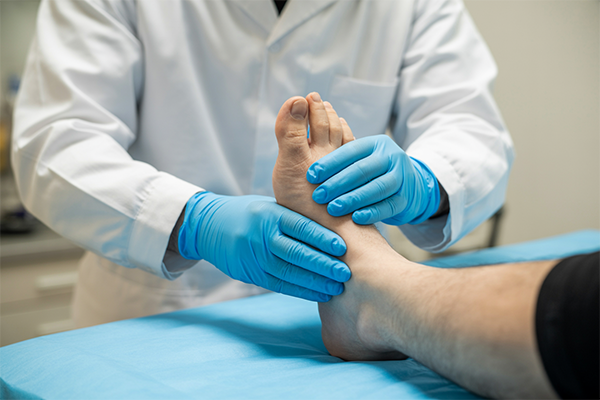
- Physical examination: Assessing foot structure and identifying areas of tenderness.
- Imaging studies: X-rays or MRI may be necessary to rule out fractures or other underlying conditions.
How Can I Treat Sesamoiditis?
Treating sesamoiditis involves a multi-faceted approach aiming to reduce pain and inflammation while promoting healing. Common treatment options include:
- Rest and Activity Modification: Avoiding activities that exacerbate pain to allow for recovery.
- Ice Therapy: Applying ice to the affected area to reduce swelling and alleviate pain.
- Orthotics: Custom or over-the-counter shoe inserts can help distribute pressure away from the sesamoids.
- Footwear Advice: Wearing supportive shoes with adequate cushioning to reduce stress on the big toe.
- Physical Therapy: Targeted exercises can improve flexibility and strength in the foot.
- Medications: Non-steroidal anti-inflammatory drugs (NSAIDs) may be recommended to manage pain and inflammation.
- Surgical Options: In severe cases where conservative treatments fail, surgical intervention may be considered to remove one or both sesamoid bones.
What Can I Expect During Recovery?
Recovery from sesamoiditis can vary depending on the severity of the condition and treatment methods. Generally, patients experience pain reduction within a few weeks of starting appropriate treatments. Adhering to physician recommendations and appropriately modifying activity levels are crucial for a successful recovery.
Frequently Asked Questions (FAQ)
1. How long does it take to recover from sesamoiditis?
Recovery can take several weeks to a few months, depending on the severity of the condition and compliance with treatment protocols.
2. Can I continue exercising with sesamoiditis?
It is advisable to modify or reduce high-impact activities during recovery. Consult with a podiatrist for tailored exercise recommendations.
3. Are there any preventive measures for sesamoiditis?
Wearing appropriate footwear, maintaining a healthy weight, and incorporating foot-strengthening exercises can help prevent future occurrences.
4. When should I see a doctor for sesamoiditis?
If you experience persistent pain, swelling, or difficulty in moving your big toe, it is essential to seek professional medical advice for proper assessment and treatment.
5. What role do custom orthotics play in treatment?
Custom orthotics provide personalized support and help redistributes pressure on the foot, reducing strain on the sesamoid bones.
Contact Us for Expert Care in Colne
If you are experiencing the symptoms of sesamoiditis and are seeking expert treatment, The Foot and Lower Limb Clinic in Brighouse and Colne is here to help. Our dedicated team is ready to provide personalized care tailored to your needs. Book your appointment today to start your journey toward pain-free living.