How to Protect Your Feet During Everyday Activities
Introduction
At The Foot and Lower Limb Clinic in Brighouse and Colne, we understand the importance of foot health in maintaining overall well-being. Your feet are the foundation of your body, supporting your weight and enabling daily activities. Protecting your feet during everyday activities can prevent a range of conditions such as plantar fasciitis, bunions, and ankle sprains. In this article, we provide comprehensive, evidence-based strategies to help you keep your feet healthy and pain-free.
What Causes Foot Injuries During Everyday Activities?
Foot injuries can arise from various everyday activities, including walking, running, or participating in sports. Common causes of foot injuries include:
- Improper footwear: Shoes that do not offer adequate support or protection can lead to conditions such as blisters, calluses, or stress fractures.
- Overuse: Excessive physical activity can result in plantar fasciitis or tendonitis, particularly in individuals who suddenly increase their activity level.
- Environmental hazards: Uneven surfaces, wet areas, or sharp objects can increase the risk of slips, trips, and falls.
How Can I Prevent Foot Injuries?
Preventing foot injuries requires a combination of appropriate footwear, proper foot care, and mindful practices during activities. Here are some effective strategies:
- Select the Right Footwear: Always choose shoes that fit well and provide adequate arch support. Shoes should be suitable for the specific activity, such as walking, running, or exercising.
- Maintain Foot Hygiene: Keep your feet clean and dry to prevent fungal infections. Regularly trim your toenails and moisturize your feet to avoid dryness and cracking.
- Warm Up and Stretch: Always warm up before engaging in physical activities and incorporate stretching exercises for your feet and legs to improve flexibility and strength.
- Gradual Increase in Activity: If you're beginning a new exercise routine or resuming after a break, increase your activity levels gradually to avoid overuse injuries.
What Are Common Foot Conditions to Watch For?
Being proactive about foot health means understanding the common conditions that can arise and what symptoms to look out for:
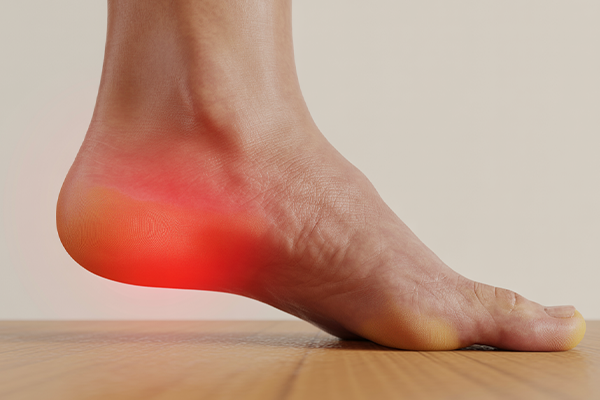
- Plantar Fasciitis: Characterized by pain in the heel and bottom of the foot, especially noticeable in the morning or after long periods of sitting.
- Bunions: A bony bump at the base of the big toe that can cause pain and discomfort when wearing shoes.
- Achilles Tendonitis: Inflammation of the Achilles tendon, often causing pain along the back of the heel.
How Can I Treat Minor Foot Injuries at Home?
For minor foot injuries, home care can be effective in managing pain and inflammation. Consider the following treatment options:
- Rest: Give your feet time to heal by avoiding strenuous activities.
- Icing: Apply ice to the affected area for 15-20 minutes every few hours to reduce swelling.
- Compression: Use an elastic bandage to wrap the injured area for support.
- Elevation: Keep your foot elevated above the level of your heart to minimize swelling.
When Should I See a Podiatrist?
If you experience persistent pain, swelling, or other concerning symptoms that do not improve with home care, it's essential to consult a podiatrist. At The Foot and Lower Limb Clinic, our experienced team can provide a thorough evaluation and recommend appropriate treatment to address your specific foot concerns.
Frequently Asked Questions (FAQ)
1. How often should I replace my running shoes?
It's recommended to replace running shoes every 300-500 miles depending on your running style and the shoe's construction. Pay attention to signs of wear and reduced cushioning.
2. Are orthotics worth it?
Orthotics can provide additional support, improve alignment, and relieve pain in individuals with specific foot conditions. Consulting with a podiatrist can help determine if orthotics are appropriate for you.
3. Can I treat bunions at home?
While home treatments like ice, rest, and proper footwear can alleviate discomfort, it's advisable to seek professional advice if symptoms persist or worsen.
4. What exercises can strengthen my feet?
Exercises such as toe curls, resistance band stretches, and ankle circles can help strengthen foot muscles and improve flexibility.
5. How can I prevent athlete's foot?
Maintain good foot hygiene, keep your feet dry, and avoid walking in bare feet in public showers or pools to reduce the risk of athlete's foot.
Conclusion
Protecting your feet during everyday activities is crucial for maintaining their health and functionality. By following the above recommendations and being proactive about foot care, you can prevent injuries and conditions that may lead to chronic pain. If you're experiencing foot issues or have concerns about your foot health, consider scheduling an appointment at The Foot and Lower Limb Clinic in Brighouse and Colne. Our team is here to provide expert care tailored to your needs. Book your visit today!