How Podiatry Helped Me Get Back to Playing Football Again
Introduction
Football is not just a game; for many, it's a passion that fosters community, wellbeing, and fitness. However, foot and lower limb injuries can sideline even the most devoted players. At The Foot and Lower Limb Clinic, located in Brighouse and Colne, we understand how essential it is to get back on the field. This blog highlights how effective podiatric care can help you reclaim your love for football.
What Common Foot Injuries Affect Football Players?
Football players are particularly susceptible to various foot injuries due to the nature of the sport. Some common injuries include:
- Plantar Fasciitis: Inflammation of the tissue that runs across the bottom of the foot, causing heel pain.
- Achilles Tendinitis: Overuse injury affecting the Achilles tendon, which connects the calf muscles to the heel bone.
- Stress Fractures: Small cracks in the bones of the foot due to repetitive forces.
- Ankle Sprains: Injuries resulting from twisting or rolling the ankle, often leading to ligamental damage.
What Causes Foot Injuries in Football?
Understanding the causes of foot injuries is crucial for prevention and recovery. Factors contributing to injuries include:
- Improper Footwear: Wearing shoes that lack proper support or are not suited for football can lead to injuries.
- Overtraining: Excessive training without adequate rest can strain the foot muscles and tendons.
- Poor Playing Surfaces: Playing on hard or uneven surfaces can increase the risk of injuries.
How Can Podiatry Help Heal Foot Injuries?
Podiatry plays a pivotal role in treating and managing foot injuries in athletes. Here’s how:
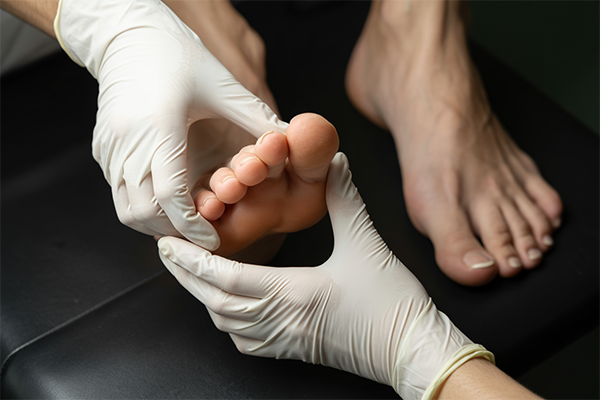
- Comprehensive Assessment: A podiatrist conducts a thorough evaluation to identify the specific nature of your foot problem.
- Personalised Treatment Plans: Treatment may include custom orthotics, physical therapy, and specific exercises tailored to your injury.
- Injury Prevention Strategies: Podiatrists can provide advice on footwear, training regimens, and exercises to strengthen key muscles.
What Treatments Are Available for Football-Related Foot Injuries?
At The Foot and Lower Limb Clinic, we offer a variety of evidence-based treatments, including:
- Orthotic Devices: Custom-made insoles that provide support and relieve pain.
- Physical Therapy: Rehabilitation exercises designed to strengthen the foot and lower limb.
- Shockwave Therapy: A non-invasive treatment that uses acoustic waves to promote healing in injured tissues.
- Injections: Corticosteroid injections can reduce inflammation and pain in severe cases.
How Long Does Recovery Usually Take?
The recovery duration varies depending on the type and severity of the injury. Generally, mild injuries might heal within a few weeks, while more severe conditions may take several months of treatment and rehabilitation. Regular follow-ups at our clinic in Brighouse and Colne can help track progress and modify treatment as necessary.
What Can I Do to Prevent Future Injuries?
Preventing future injuries is just as crucial as treatment. Here are some effective strategies:
- Choose the Right Footwear: Invest in high-quality football shoes that provide adequate support and cushioning.
- Maintain a Balanced Training Schedule: Incorporate rest days into your training routine to avoid overuse.
- Warm Up and Cool Down: Engage in proper warm-up and stretching to prepare your muscles for activity.
Conclusion
Getting back to playing football after an injury is both a physical and emotional journey. With the skilled team at The Foot and Lower Limb Clinic in Brighouse and Colne, you can receive the expert care necessary to return to the sport you love. Our commitment to effective, evidence-based treatments ensures athletes of all levels can regain their footing.
FAQ
1. What should I do if I think I have a foot injury?
Schedule an appointment with a podiatrist for a comprehensive assessment. Prompt treatment can prevent further complications.
2. How do I know which football shoes are right for me?
Consult with a podiatrist to identify the best shoes based on your foot type, playing style, and position in the game.
3. Can orthotics help with foot pain?
Yes, custom orthotics can provide support, relieve pain, and correct biomechanical imbalances in your foot.
4. Is it safe to continue playing football with a persistent injury?
It is crucial to consult with a healthcare professional. Continuing to play may worsen the injury and prolong recovery time.
5. How often should I see a podiatrist for ongoing foot care?
It depends on your individual needs, but regular check-ups every 3 to 6 months are often recommended for active individuals.
If you're ready to take the first step towards recovery and get back to playing football, book an appointment with us today!