
Can Podiatry Help with Balance Problems?
Understanding Balance Problems and Podiatry’s Role
At The Foot and Lower Limb Clinic, located in Brighouse and Colne, we understand that balance problems can significantly impact your daily life. These issues may lead to a higher risk of falls, injuries, and a reduced quality of life. Podiatry offers specialized treatment and management strategies that can help improve balance by addressing the root causes linked to the feet and lower limbs. This article explores how podiatry can assist those grappling with balance-related challenges.
What Causes Balance Problems?
Balance problems can arise from various factors, including:
- Foot Deformities: Conditions such as flat feet (pes planus) or high arches (pes cavus) can affect your body’s alignment and balance.
- Nerve Damage: Peripheral neuropathy, often caused by diabetes, can diminish the sensory input needed for balance.
- Joint Issues: Arthritis in the ankles or knees may restrict movement, thus affecting stability.
- Vestibular Problems: While these issues originate in the inner ear, they can lead to compensatory changes in the feet and lower limbs, disrupting balance.
- Muscle Weakness: Weakness in the lower limb muscles, particularly the calves and quadriceps, can also contribute to balance instability.
How Can Podiatry Help with Balance Problems?
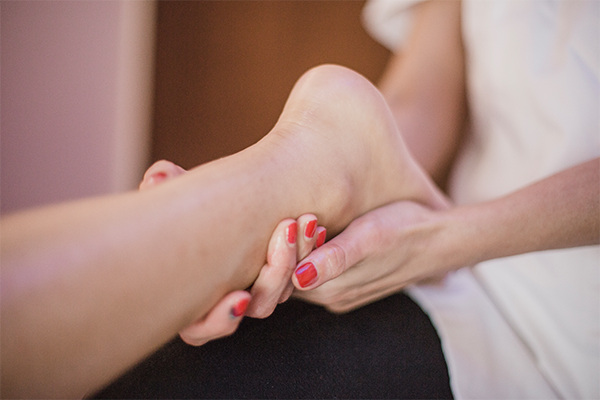
Podiatrists are uniquely equipped to evaluate and treat balance issues related to foot and lower limb conditions. Here’s how we can help:
Comprehensive Assessment
Initial evaluations include:
- Gait Analysis: Analyzing walking patterns to pinpoint underlying issues.
- Neurological and Vascular Exams: Assessing nerve function and blood flow to determine if they contribute to balance problems.
- Foot Biomechanics: Evaluating foot structure and function to identify deformities.
Custom Orthotics
Prescription orthotics are custom-made inserts that correct foot alignment, improving biomechanics and thereby enhancing balance. They provide support and cushioning that can alleviate pain and enhance stability.
Podiatric Rehabilitation
Physical therapy tailored to foot and ankle strength is vital. Exercises focusing on:
- Strengthening
- Stretching
- Balance training
can improve muscle coordination and enhance proprioceptive feedback, directly contributing to better balance.
Addressing Underlying Conditions
At The Foot and Lower Limb Clinic, we also manage concurrent conditions contributing to balance issues. For example, treating:
- Diabetic foot ulcers
- Heel pain (plantar fasciitis)
- Achilles tendonitis
can alleviate pain and discomfort, allowing for improved mobility and stability.
What Are Some Common Balance Exercises?
Balancing exercises can be essential in your journey toward improved stability. Here are some we recommend:
- Single-leg Stands: Stand on one leg for 30 seconds; switch legs. Enhance balance by progressing to an unstable surface.
- Heel-to-Toe Walks: Walk in a straight line, placing one foot directly in front of the other.
- Calf Raises: Stand on the edge of a step and raise your heels to strengthen your calves.
Before starting any exercise program, it's important to consult your podiatrist at The Foot and Lower Limb Clinic for tailored recommendations based on your specific conditions.
What Patients Say
We take pride in being a trusted resource for our patients. Here's what some of our patients from Brighouse and Colne have to say about their experience:
- "Since starting treatment at The Foot and Lower Limb Clinic, my balance has significantly improved, and I feel more 'steady' in my movements." - Sarah T.
- "The tailored exercises have really helped me overcome my balance problems associated with my flat feet." - John D.
FAQ
1. Can balance problems be treated without medication?
Yes, many balance problems can be addressed with therapy, exercises, and custom orthotics, as well as lifestyle changes without the need for medication.
2. How long does it take to see improvement in balance?
Improvement can vary based on the underlying cause, but many patients notice changes within a few weeks of following a tailored treatment plan.
3. Are balance problems common in older adults?
Yes, balance issues are prevalent among older adults due to multiple factors including weakened muscles and decreased sensation in the feet.
4. What type of exercises can I do at home for balance improvement?
Exercises such as single-leg stands and heel-to-toe walks are simple yet effective for improving balance and can easily be done at home.
5. How can I schedule an appointment?
You can conveniently book an appointment with us at The Foot and Lower Limb Clinic through our online booking system.
Conclusion
Balance problems can significantly affect your quality of life. At The Foot and Lower Limb Clinic in Brighouse and Colne, our dedicated team of podiatrists is here to help you regain your stability and independence through comprehensive evaluations and personalized treatment plans. Whether you’re dealing with foot deformities or general instability, don’t hesitate to book an appointment today. Your journey to better balance starts with us!