Is It Plantar Fasciitis or Something Else?
Understanding Plantar Fasciitis
At The Foot and Lower Limb Clinic located in Brighouse and Colne, we frequently encounter patients who experience heel pain. One of the most common conditions associated with this type of pain is plantar fasciitis. However, distinguishing between plantar fasciitis and other foot-related issues can be challenging without proper evaluation. This article aims to help you identify whether you're dealing with plantar fasciitis or something else entirely.
What is Plantar Fasciitis?
Plantar fasciitis is an inflammation of the plantar fascia, a thick band of tissue that runs across the bottom of your foot, connecting your heel bone to your toes. This condition typically results in sharp heel pain, especially with the first steps in the morning or after prolonged periods of sitting.
What Causes Plantar Fasciitis?
The exact cause of plantar fasciitis can vary among individuals. Some common contributing factors include:
- Overuse: Activities that place excessive stress on the heel and attached tissue, particularly running and dancing.
- Foot Structure: Flat feet, high arches, or an abnormal walking pattern can increase strain on the plantar fascia.
- Obesity: Increased body weight can contribute to the strain on the plantar fascia.
- Improper Footwear: Shoes lacking proper support, cushioning, or flexibility can aggravate the condition.
How Can You Identify Symptoms of Plantar Fasciitis?
Plantar fasciitis typically presents with the following symptoms:
- Sharp heel pain: This is often felt on the bottom of the heel and may decrease throughout the day, only to return after periods of inactivity.
- Stiffness: Morning stiffness is common, making the first few steps painful.
- Swelling: Mild swelling may occur around the heel, though it's less common.
Could It Be Something Else?
While plantar fasciitis is common, other conditions may present similar symptoms. It’s important to consider these alternatives:
- Achilles Tendinitis: Involves pain and stiffness along the back of the heel and can lead to discomfort during activity.
- Heel Spurs: A bony growth on the heel bone may accompany plantar fasciitis but can also result in pain itself.
- Stress Fractures: Tiny cracks in the bone due to overuse can cause localized pain in the heel.
- Tarsal Tunnel Syndrome: Compression of the posterior tibial nerve canResult in pain, tingling, or numbness in the heel and arch.
How is Plantar Fasciitis Diagnosed?
Diagnosis of plantar fasciitis typically involves:
- Medical History: Discussing symptoms, lifestyle, and medical history.
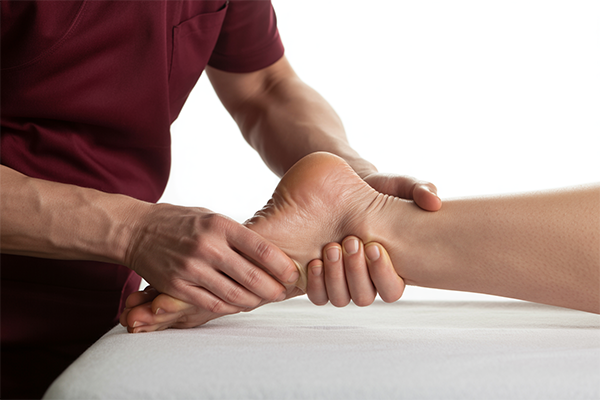
- Physical Examination: A podiatrist will check the foot's biomechanics and examine for tenderness.
- Imaging: X-rays or MRIs may be utilized in complex cases to rule out other conditions.
How Can I Treat Plantar Fasciitis?
Treatment for plantar fasciitis often starts with conservative measures. Some effective approaches include:
- Rest: Reducing activities that aggravate the symptoms.
- Ice Therapy: Applying ice packs to the affected area can reduce swelling and relieve pain.
- Physical Therapy: Specific exercises can strengthen the specific muscles in the foot and calf.
- Orthotics: Custom arch supports or heel cups can help distribute pressure more evenly across the foot.
- Night Splints: Wearing a splint at night can help stretch the plantar fascia and Achilles tendon.
When Should I See a Podiatrist?
If you suspect you have plantar fasciitis but your symptoms persist or worsen, or if you experience signs of other conditions (such as severe swelling or bruising), it's advisable to consult a podiatrist. At The Foot and Lower Limb Clinic in Brighouse and Colne, our team is equipped to diagnose and provide a tailored treatment plan for your condition.
FAQs
1. How long does plantar fasciitis take to heal?
Healing times can vary but typically range from several weeks to several months. Early intervention is key.
2. Can I continue to exercise if I have plantar fasciitis?
It's important to limit high-impact activities. Low-impact exercises such as swimming or cycling may be beneficial.
3. Are there any over-the-counter medications that can help?
Nonsteroidal anti-inflammatory drugs (NSAIDs) like ibuprofen can assist in reducing pain and inflammation.
4. Is surgery ever needed for plantar fasciitis?
Surgery is typically a last resort. Most patients respond well to conservative treatments.
5. How can I prevent plantar fasciitis from returning?
Wearing supportive shoes, maintaining a healthy weight, and stretching before activities can help prevent recurrence.
Conclusion
If you're experiencing heel pain and are unsure whether it's plantar fasciitis or another condition, don't hesitate to reach out to us at The Foot and Lower Limb Clinic in Brighouse and Colne. Our experienced team is here to help you find the right diagnosis and treatment plan tailored to your needs.