Over-the-Counter Verruca Treatments: Do They Actually Work?
Introduction
At The Foot and Lower Limb Clinic, serving the communities of Brighouse and Colne, we often see patients concerned about verrucas, which are a common type of wart found on the feet. Many individuals turn to over-the-counter (OTC) treatments, hoping to eliminate these pesky growths without professional intervention. But do these products actually work? In this article, we will explore the effectiveness of OTC verruca treatments, how they function, and alternative options you may consider.
What Causes Verrucas?
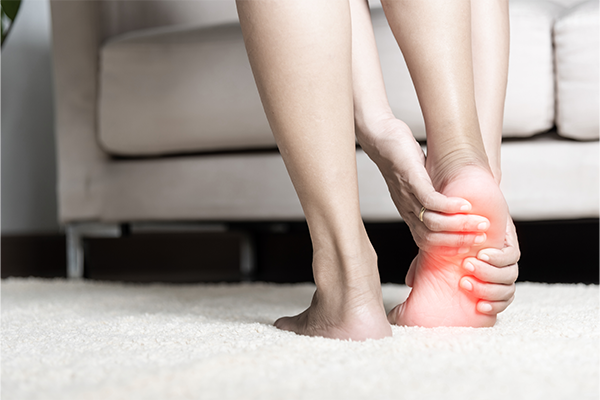
Verrucas, or plantar warts, are caused by the human papillomavirus (HPV). This virus enters the skin through small cuts or breaks, generally on the soles of the feet. While verrucas are not harmful, they can be painful and may cause discomfort while walking. Certain factors increase your likelihood of developing verrucas, such as:
- Walking barefoot in communal areas like swimming pools and gyms
- Having a weakened immune system
- Moist, warm environments that promote viral growth
How Can I Treat a Verruca at Home?
OTC treatments for verrucas are formulated to target the virus and remove the wart. Here are some popular options:
- Salicylic Acid: This keratolytic agent works by softening and dissolving the top layer of skin, making it easier to remove the verruca. Generally, you apply this solution or patch regularly for effective results.
- Freezing Sprays: These products mimic cryotherapy by using very low temperatures to freeze and destroy the verruca cells. This can be a quick treatment approach.
- Topical Treatments: Various creams and gels are designed to treat verrucas using different active ingredients, including tea tree oil and other natural extracts.
Before starting any treatment, it's essential to read the directions carefully and consult with a healthcare professional, especially if you have diabetes or poor circulation.
Do OTC Verruca Treatments Actually Work?
The effectiveness of OTC treatments can vary based on several factors, including:
- The size, location, and thickness of the verruca
- Consistency of treatment application
- The individual's immune response
Studies have shown that while OTC treatments can be effective for some individuals, they may not work for everyone. Factors such as the specific formulation and the duration of treatment can significantly impact outcomes. In many cases, the treatment course can take several weeks or even months to see results.
When Should I Consider Professional Help?
If your verruca persists despite OTC treatment, appears to worsen, or if you experience significant pain, it may be time to consult a podiatrist. Professional treatments availed at The Foot and Lower Limb Clinic include:
- Cryotherapy: A more potent freezing treatment performed by a healthcare professional.
- Laser Therapy: This targeted approach can effectively destroy the verruca tissue.
- Minor Surgical Removal: For stubborn verrucas, surgery may be necessary.
Additionally, treating verrucas can prevent spreading them to others or developing complications, making professional evaluation essential.
Preventing Verrucas: Best Practices
While verrucas can be stubborn, prevention is always better than cure. Here are some proven strategies to reduce your risk:
- Avoid walking barefoot in public pools, showers, and changing rooms.
- Wear flip-flops or pool shoes in communal areas.
- Keep your feet clean and dry, changing socks regularly.
- Avoid sharing personal items like towels or shoes.
Frequently Asked Questions (FAQ)
1. How long does it take for OTC treatments to work?
It can take several weeks to months for OTC treatments to effectively remove a verruca, depending on the treatment used and individual response.
2. Are there any side effects to using OTC verruca treatments?
Common side effects may include skin irritation, redness, or blistering at the site of application. Always follow the manufacturer's instructions.
3. Can children use OTC verruca treatments?
Yes, but it's essential to consult a healthcare professional before using these products on children, as their skin may be more sensitive.
4. Why do verrucas keep coming back?
Verrucas may recur if the virus remains in the skin after treatment, or if you come into contact with the virus again. Reinfection is common in communal areas.
5. Can I cut my verruca off myself?
It's not advisable to cut off a verruca yourself, as this can lead to infection or complicate the condition. Consulting a podiatrist is the best course of action.
Conclusion
While over-the-counter treatments for verrucas can be effective for some patients, they may not work for everyone. Proper application and patience are crucial. If you’re struggling with a persistent verruca or want to know more about effective treatments tailored to your needs, visit us at The Foot and Lower Limb Clinic in Brighouse and Colne. Our expert team is ready to help you achieve healthy feet. Book an appointment today!