How Often Should You Really Replace Your Everyday Shoes?
Introduction
Welcome to The Foot and Lower Limb Clinic, your trusted podiatry clinic serving Brighouse and Colne. One of the most common questions we receive is about the lifespan of everyday shoes. Understanding when to replace your shoes can significantly impact your foot health, overall comfort, and performance. In this blog post, we will dive into the factors that affect shoe longevity, the signs that indicate it’s time for a new pair, and how to choose the right footwear to support your foot health.
What Causes Shoes to Wear Out?
Shoes are subjected to various stresses during daily activities, leading to wear and tear. Here are some factors that contribute to the degradation of your footwear:
- Material Quality: Higher-quality materials tend to last longer, while cheaper materials may degrade more quickly.
- Foot Type: Individuals with flat feet or high arches may experience uneven wear, necessitating more frequent replacements.
- Activity Level: The more you walk, run, or engage in sports, the faster your shoes will wear out.
- Body Weight: Heavier individuals may put more stress on their shoes, causing them to break down more quickly.
How Often Should You Replace Your Everyday Shoes?
The general recommendation is to replace your everyday shoes every 300 to 500 miles, or approximately every six months for regular wear. However, this can vary based on the factors mentioned above. For example, runners may need to replace their shoes more frequently than casual walkers.
Signs That Indicate It's Time for a New Pair of Shoes
Here are several signs that indicate your shoes may need replacing:
- Worn Out Tread: If the pattern on the outsole of the shoe is smooth and lacks traction, it’s time for a change.
- Visible Damage: Look for cracks, separation of the shoe upper from the sole, or other visible signs of damage.
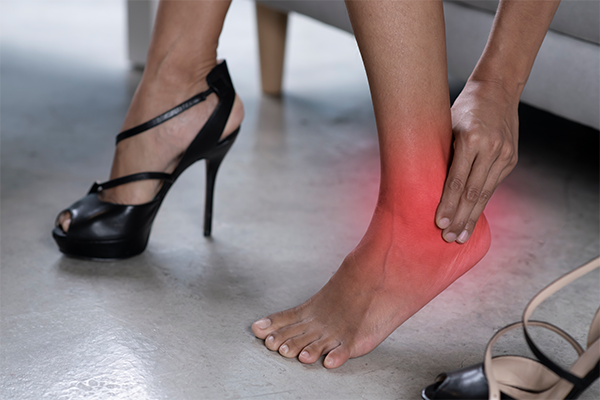
- Lack of Comfort: If you start to feel discomfort or pain in your feet, ankles, or knees, it may be time to replace your shoes.
- Feet Sweating More Than Usual: This can be a sign that the shoe’s materials are breaking down, causing a lack of support.
How Can I Take Care of My Shoes to Extend Their Lifespan?
Proper care and maintenance can help prolong the life of your shoes. Here are some practical tips:
- Rotate Your Shoes: Having multiple pairs allows each pair time to breathe and regain shape.
- Clean Regularly: Cleaning your shoes regularly can prevent dirt and salt from degrading materials.
- Store Properly: Keep your shoes in a dry, cool place away from direct sunlight to maintain their form.
- Use Shoe Trees: These can help retain the shape of the shoe and prevent creasing.
What Shoe Types Offer the Best Support for Specific Foot Conditions?
Choosing the right type of shoe is critical, especially for individuals with specific foot conditions. Here are some popular types and the foot conditions they address:
- Motion Control Shoes: Best for overpronators, these shoes help stabilize and support the foot during movement.
- Cushioned Shoes: Ideal for those with high arches, providing adequate cushioning to prevent discomfort.
- Orthopedic Shoes: Specifically designed for individuals with foot deformities or conditions like bunions or plantar fasciitis.
- Trail Running Shoes: For individuals who enjoy off-road running, offering additional traction and stability.
FAQ Section
1. How can I tell if my shoes are the right fit?
Your shoes should fit snugly without being too tight, with about a thumb's width of space in front of your longest toe.
2. Can wearing old shoes cause foot problems?
Yes, wearing worn-out shoes can lead to discomfort and increase your risk of conditions such as plantar fasciitis, Achilles tendinitis, and other foot injuries.
3. Are there any specific signs of wear to look for in high heels?
Look for excessive heel wear, sagging, or bending in the shank, and discomfort when wearing them for an extended period.
4. How do different activities affect the lifespan of my shoes?
Running and high-impact activities typically wear shoes out faster than casual walking or light activities, necessitating more frequent replacements.
5. Should I consult a podiatrist if I'm unsure about my shoe choices?
Yes, a podiatrist can provide personalized recommendations based on your specific foot type and any existing foot conditions.
Conclusion
Understanding when to replace your everyday shoes is vital for maintaining foot health and preventing injuries. At The Foot and Lower Limb Clinic in Brighouse and Colne, we encourage you to listen to your body and pay attention to the signs that indicate a need for new footwear. Remember, well-cared-for shoes are not just an investment in comfort; they’re an investment in your overall foot health. If you have further questions or need personalized advice, please book an appointment with us today.