
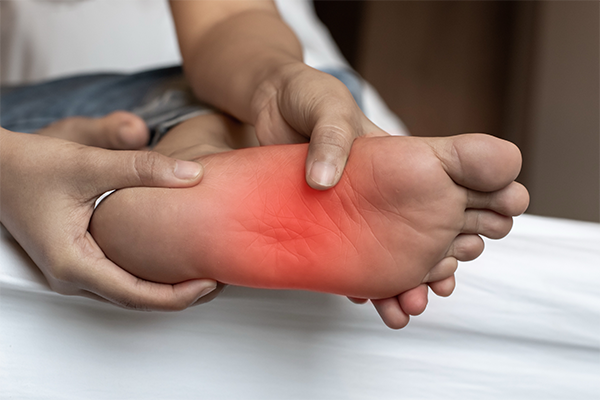
The Hidden Risks of Walking Barefoot with Diabetes
The Hidden Risks of Walking Barefoot with Diabetes
Walking barefoot might seem like a natural way to connect with the earth and enjoy a breezy day, but for individuals living with diabetes, it can pose significant risks. At The Foot and Lower Limb Clinic located in Brighouse and Colne, we understand how vital foot health is for managing diabetes. This article outlines the hidden dangers of walking barefoot for diabetic patients, aiming to provide you with the necessary insights to maintain your foot health.
What Causes Foot Problems in Diabetic Patients?
Diabetes can lead to a variety of foot problems, primarily due to neuropathy and poor circulation. Neuropathy, or damage to the nerves, can decrease sensation in your feet, making it difficult to feel cuts, blisters, or other injuries. Additionally, high blood glucose levels can impair circulation, reducing the blood flow that is essential for healing.
Common Foot Conditions Associated with Diabetes
- Diabetic neuropathy: Nerve damage that can lead to loss of sensation.
- Peripheral arterial disease: Reduced blood flow to the limbs.
- Foot ulcers: Sores that develop when injuries are not detected and treated.
- Infections: Bacterial infections can proliferate from untreated wounds or cracks.
- Charcot foot: A condition where the bones in the foot weaken, leading to deformity.
How Does Walking Barefoot Increase Risks?
Walking barefoot exposes diabetic individuals to multiple hazards:
- Foot Injuries: Cuts and scrapes can easily occur from sharp objects, which may go unnoticed due to neuropathy.
- Infections: Open wounds can become sites for bacterial infections that could lead to serious complications.
- Blisters and Corns: Increased friction on unprotected skin can lead to painful blisters or corns.
- Pressure Sores: Prolonged walking might cause pressure sores, especially in areas with decreased sensation.
What Are the Symptoms to Watch For?
Being vigilant about foot health is crucial. Here are symptoms that diabetic patients should monitor:
- Redness or swelling
- Pain or tenderness in the foot
- Blisters, cuts, or any open sores
- Changes in skin color or temperature
- Unusual foot odour
How Can I Prevent Foot Problems as a Diabetic?
Here are some proactive steps you can take to protect your feet:
- Wear Protective Footwear: Ensure you always wear well-fitted, protective shoes, even at home.
- Regular Foot Checks: Conduct daily inspections of your feet for any cuts, changes, or abnormalities.
- Moisturise: Keep your feet moisturised, but avoid applying lotion between the toes to prevent fungal infections.
- Health Monitoring: Maintain regular blood sugar levels and monitor any changes in sensation or circulation.
- Professional Assessments: Schedule regular visits to a podiatrist to assess foot health.
How Can I Treat Injuries If They Occur?
If you do injure your foot while walking barefoot:
- Wash the area gently with soap and water to prevent infection.
- Apply an over-the-counter antiseptic to keep the area clean.
- Cover the wound with a sterile bandage.
- Monitor for signs of infection, such as increasing redness, swelling, or pus.
- Seek medical assistance immediately if the injury is severe or shows signs of infection.
Why Is It Important to See a Podiatrist?
Consulting with a podiatrist is essential for anyone with diabetes. Regular foot exams allow healthcare providers to detect potential issues early. At The Foot and Lower Limb Clinic in Brighouse and Colne, we can help manage and treat diabetic foot conditions with the necessary expertise and care.
Frequently Asked Questions (FAQ)
1. Can I walk barefoot if I have diabetes?
No, it is generally not safe for individuals with diabetes to walk barefoot due to the high risk of foot injuries and infections.
2. What are the best shoes for diabetic patients?
Look for shoes that are well-cushioned, have a soft interior, and offer good support with enough room for toe movement. Specialized diabetic footwear is often recommended.
3. How often should I check my feet for injuries?
Daily foot checks are recommended for diabetic patients to identify any issues as soon as they arise.
4. What should I do if I have a foot sore?
Clean the sore, apply an antiseptic, and cover it with a bandage. Monitor it closely and consult a doctor if it worsens.
5. How can neuropathy affect my foot care?
Neuropathy can reduce sensation, making it easier to overlook injuries. This makes routine foot care and monitoring crucial for preventing complications.
In conclusion, while the thought of walking barefoot may seem appealing, it's vital for diabetic patients to understand the significant risks involved. For comprehensive care and guidance on diabetic foot health, visit The Foot and Lower Limb Clinic in Brighouse and Colne. Our team is dedicated to helping you maintain optimum foot health.
Book your appointment today and take the first step towards healthy feet!