
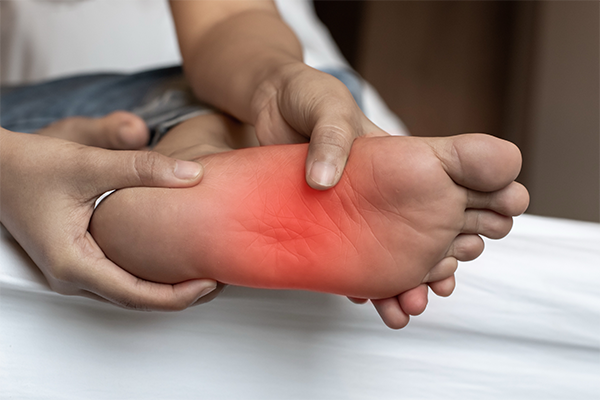
The Hidden Risks of Walking Barefoot with Diabetes
The Hidden Risks of Walking Barefoot with Diabetes
At The Foot and Lower Limb Clinic in Brighouse and Colne, we understand that managing diabetes goes beyond blood sugar control. One often-overlooked aspect is foot care, particularly the risks associated with walking barefoot. For individuals with diabetes, the risk of foot complications can significantly increase, making this a critical topic for discussion.
What Causes Foot Problems in Diabetic Patients?
Diabetes can lead to various foot problems due to two primary complications: peripheral neuropathy and poor circulation.
- Peripheral Neuropathy: This condition results from nerve damage that affects sensation in the feet. Patients may experience numbness or a diminished ability to feel pain, temperature, and touch, leading to undetected injuries.
- Poor Circulation: Diabetes can impair blood flow to the extremities, making it difficult for wounds to heal and increasing the risk of infections.
How Does Walking Barefoot Increase Risks?
Walking barefoot may seem natural, but it carries significant risks for individuals with diabetes, including:
- Increased Risk of Cuts and Sores: Bare feet are vulnerable to stepping on sharp objects, leading to cuts or puncture wounds that may go unnoticed.
- Infections: Even minor injuries can develop into serious infections because of the impaired immune response associated with diabetes.
- Foot Ulcers: People with neuropathy may not feel pain from a sore or blister, allowing these minor issues to evolve into chronic ulcers that require medical intervention.
- Fungal Infections: Walking barefoot in public areas increases exposure to fungi, leading to conditions such as athlete's foot.
What Foot Conditions Should Diabetics Be Aware Of?
Understanding potential foot conditions associated with diabetes can help patients take proactive steps to prevent complications. Key conditions include:
- Diabetic Neuropathy: This involves nerve damage that reduces sensation and alters foot structure.
- Charcot Foot: A progressive condition where the bones in the foot collapse due to nerve damage.
- Foot Ulcers: Open sores on the foot that can lead to severe infections and, in extreme cases, amputation if not treated promptly.
How Can I Treat and Prevent Foot Issues?
Prevention is the cornerstone of managing foot health in diabetes. Here are several recommendations:
- Regular Foot Inspections: Daily checks for cuts, blisters, or any abnormalities. Look for changes in skin color or temperature.
- Proper Footwear: Always wear shoes, even indoors. Choose footwear that fits well and provides support; consult with a podiatrist for orthotic recommendations if necessary.
- Moisturizing: Keep feet hydrated, but avoid applying lotion between the toes to prevent fungal infections.
- Medical Care: Regular visits to a podiatrist can help monitor and manage any emerging foot health issues. At The Foot and Lower Limb Clinic, we offer comprehensive foot assessments tailored for diabetic patients.
What Are the Signs of a Foot Infection?
Recognizing the early signs of a foot infection can prevent severe complications. Look out for:
- Redness and swelling
- Pus or drainage coming from a wound
- Increased pain or tenderness in the affected area
- Fever or chills
When Should I See a Podiatrist?
It’s essential for individuals with diabetes to consult a podiatrist under the following circumstances:
- Presence of any foot injury that doesn’t heal within a few days
- Changes in skin color or temperature
- Swelling around the foot or ankle
- Any loss of sensation, tingling, or pain not associated with an injury
Frequently Asked Questions (FAQ)
1. Can I walk barefoot if I have diabetes?
No, it is generally unsafe for individuals with diabetes to walk barefoot due to the high risk of unnoticed injuries and infections.
2. What should I do if I get a cut on my foot?
Clean the wound immediately with soap and water, apply an antibiotic ointment, and cover it with a sterile bandage. Seek medical attention if it shows signs of infection.
3. How often should I see a podiatrist?
It is advisable to see a podiatrist at least once a year or more frequently if you have foot problems or previous complications.
4. What type of shoes should I wear?
Choose well-fitting shoes with good arch support and cushioning. Avoid shoes with high heels or pointed toes.
5. Are there any special foot care products for diabetics?
Yes, look for diabetic foot care creams that are designed to retain moisture without increasing the risk of fungal infections.
Conclusion
Walking barefoot with diabetes poses various hidden risks. Being proactive about foot health is essential for preventing complications and maintaining quality of life. At The Foot and Lower Limb Clinic in Brighouse and Colne, we are here to help you manage your foot health safely. Don't hesitate to book an appointment today for a comprehensive foot assessment!