Heel Pain Treatment Options in Brighouse
Understanding Heel Pain
Heel pain is a common complaint that can affect individuals of all ages, often impacting daily activities. At The Foot and Lower Limb Clinic in Brighouse, we see many patients struggling with this condition. Heel pain can result from various factors, including improper footwear, overuse, or underlying medical conditions. In this article, we will explore the causes, treatment options, and preventive measures for heel pain.
What Causes Heel Pain?
Heel pain often originates from specific conditions affecting the heel and surrounding structures. The most common causes include:
- Plantar Fasciitis: Inflammation of the plantar fascia, the thick band of tissue that runs across the bottom of the foot.
- Achilles Tendinitis: Inflammation or degeneration of the Achilles tendon, which connects the calf muscles to the heel bone.
- Heel Spurs: Bony growths on the underside of the heel bone, often associated with plantar fasciitis.
- Bursitis: Inflammation of the bursa, a fluid-filled sac that provides cushioning around the heel.
- Stress Fractures: Small cracks in the heel bone caused by repetitive stress or overuse.
How Can I Treat Heel Pain?
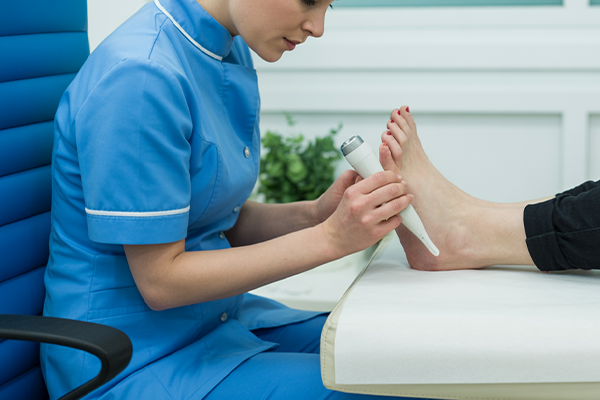
Treating heel pain effectively requires a comprehensive approach. At The Foot and Lower Limb Clinic, we tailor treatments based on your specific condition and needs. Here are several evidence-based treatment options:
1. Rest and Ice Therapy
Allowing the heel to rest is crucial in reducing inflammation. Applying ice packs for 15-20 minutes, several times daily, can help alleviate pain and swelling.
2. Footwear Modifications
Wearing supportive footwear is vital. Look for shoes with adequate arch support, cushioning, and a proper fit. Avoid walking barefoot on hard surfaces.
3. Physical Therapy
A physical therapist can guide you through exercises to strengthen the muscles in the foot and ankle, improve flexibility, and alleviate pain. Stretching exercises, especially for the plantar fascia and Achilles tendon, are particularly effective.
4. Orthotic Devices
Custom orthotics can provide additional support, correct biomechanical issues and redistribute pressure on the heel. Over-the-counter arch supports may also be beneficial.
5. Anti-Inflammatory Medications
Over-the-counter non-steroidal anti-inflammatory drugs (NSAIDs), such as ibuprofen or aspirin, can relieve pain and reduce inflammation.
6. Corticosteroid Injections
In cases of severe pain, corticosteroid injections may be administered to reduce inflammation directly in the painful area.
7. Surgery
If conservative treatments fail, surgical options such as plantar fascia release or heel spur removal may be considered. Surgery is generally a last resort, recommended only after exhausting other treatment avenues.
How Can I Prevent Heel Pain?
Preventive measures can help avoid heel pain in the future. Here are some effective strategies:
- Maintain a healthy weight to reduce stress on your feet.
- Avoid high-impact activities if you have a history of heel pain.
- Incorporate flexibility and strengthening exercises into your fitness routine.
- Choose appropriate footwear for your activities.
- Gradually increase physical activity to prevent overuse injuries.
When Should I See a Podiatrist?
If you experience persistent heel pain that interferes with daily activities or if the pain worsens despite self-care measures, it’s essential to seek professional evaluation. At The Foot and Lower Limb Clinic in Brighouse, our experienced team can accurately diagnose the cause of your heel pain and create an effective treatment plan tailored to your needs.
Frequently Asked Questions
1. What are the symptoms of plantar fasciitis?
Typical symptoms include sharp, stabbing pain in the heel, particularly in the morning or after prolonged periods of inactivity.
2. Can heel pain be a sign of a more serious condition?
While most heel pain is due to common conditions, persistent pain may indicate a more serious issue such as a stress fracture or inflammatory arthritis.
3. How long does it take to recover from heel pain?
Recovery time varies based on the underlying cause and treatment approach, ranging from a few weeks to several months.
4. Is surgery necessary for heel pain?
Surgery is typically a last resort after conservative treatments have failed. Most patients respond well to non-surgical interventions.
5. How can I choose the right footwear?
Look for shoes with arch support, cushioning, and a comfortable fit. Consider consulting a podiatrist for specific recommendations based on your foot condition.
Conclusion
Understanding heel pain is the first step toward effective treatment. With various options available, our team at The Foot and Lower Limb Clinic in Brighouse is here to help you find relief and return to your daily activities pain-free. Don’t let heel pain hold you back; take the first step toward recovery today.
For personalized care and treatment, book an appointment with us today.