
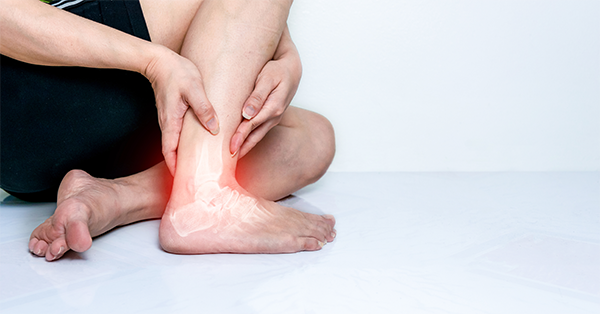
Heel Pain: When Should You Seek Help?
Understanding Heel Pain
Heel pain is a common complaint that can affect individuals of all ages. At The Foot and Lower Limb Clinic, located in Brighouse and Colne, we understand how debilitating heel pain can be, impacting your daily activities and overall quality of life. This article aims to provide comprehensive information on heel pain, its causes, and when to seek professional help.
What Causes Heel Pain?
Heel pain can arise from several underlying conditions. Some of the most common causes include:
- Plantar Fasciitis: One of the most prevalent causes of heel pain, plantar fasciitis occurs when the plantar fascia, a band of tissue running from the heel to the toes, becomes inflamed.
- Achilles Tendinitis: This condition involves the inflammation of the Achilles tendon, which connects the calf muscles to the heel bone, often resulting from repetitive stress or overuse.
- Heel Spurs: A heel spur is a bony growth that forms on the underside of the heel bone, typically associated with plantar fasciitis.
- Bursitis: Inflammation of the bursa, a small fluid-filled sac that cushions the heel, can cause localized pain and tenderness.
- Stress Fractures: Tiny cracks in the heel bone, often due to overuse, can result in significant pain and discomfort.
When Should You Seek Help?
Understanding when to seek medical assistance for heel pain is crucial. Consider consulting a podiatrist at The Foot and Lower Limb Clinic in Brighouse and Colne if you experience any of the following:
- You have persistent pain that does not improve with rest or home care.
- The pain interferes with your daily activities or quality of life.
- You notice swelling, redness, or warmth around the heel.
- There is visible deformity in your foot or heel.
- You experience difficulty walking or standing.
How Can I Treat Heel Pain?
Early intervention can significantly improve outcomes. Here are some treatment options that may be recommended:
- Rest and Ice: Give your feet a break and apply ice to the affected area to reduce inflammation and alleviate pain.
- Orthotics: Custom orthotic devices can help correct biomechanical issues and provide support.
- Physical Therapy: Specific exercises and physical therapy techniques can strengthen muscles and improve flexibility.
- Medication: Over-the-counter pain relievers such as ibuprofen or naproxen can help reduce inflammation and discomfort.
- Surgery: In severe cases or when conservative treatments fail, surgical options may be considered to address the underlying cause of heel pain.
What to Expect During Your Consultation?
When you visit The Foot and Lower Limb Clinic, our podiatrists will perform a thorough examination and take your medical history. Diagnostic imaging, such as X-rays or MRIs, may be utilized to assess the condition of your heel and surrounding structures. Together, we will develop a tailored treatment plan that addresses your specific needs.
Preventing Heel Pain
Taking proactive measures can help prevent heel pain. Some strategies include:
- Wearing supportive shoes and appropriate footwear for your activities.
- Avoiding excessive high-impact activities without proper preparation.
- Incorporating stretching and strengthening exercises into your routine.
- Maintaining a healthy weight to reduce stress on your feet.
Frequently Asked Questions (FAQ)
1. What common footwear choices can worsen heel pain?
Avoid shoes with inadequate arch support, high heels, and flip-flops, all of which can exacerbate heel conditions.
2. How long should I rest if I have heel pain?
Rest for at least a few days, avoiding activities that aggravate the pain, while seeking professional advice for a personalized recovery plan.
3. Can heel pain be a sign of a serious condition?
In some cases, heel pain may indicate underlying issues such as fractures or systemic conditions. Consulting a podiatrist is advised.
4. Is surgery always necessary for heel pain?
Most cases can be managed with conservative treatments; however, surgery may be necessary if other treatments fail.
5. How can I prepare for my podiatrist appointment?
Document your symptoms, medical history, medications, and footwear choices to help your podiatrist understand your condition better.
Conclusion
Heel pain can significantly impact your life, but seeking timely and appropriate treatment can lead to effective management. If you are experiencing heel pain, don’t hesitate to contact us at The Foot and Lower Limb Clinic in Brighouse and Colne. Our expert team is ready to help you navigate your heel pain and explore treatment options tailored to your needs. Book your appointment online today!


