Heel Pain in Brighouse: What Could Be Causing It?
Introduction
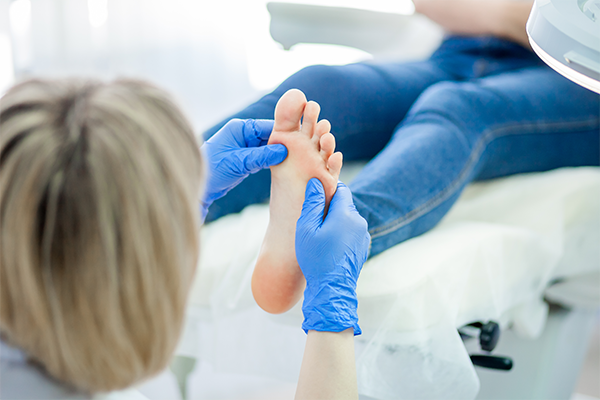
Heel pain is a common complaint among patients who visit The Foot and Lower Limb Clinic in Brighouse and Colne. Understanding the potential causes of this discomfort is essential for effective treatment. Heel pain can stem from various underlying conditions, ranging from simple overuse injuries to more complex medical issues. In this article, we will explore the common causes of heel pain, available treatments, and practical advice to manage your symptoms effectively.
What Causes Heel Pain?
Several conditions can contribute to heel pain. Here are some prevalent causes:
- Plantar Fasciitis: This is the most common cause of heel pain, characterized by inflammation of the plantar fascia, a thick band of tissue that runs across the bottom of your foot. Symptoms often include sharp pain near the heel, especially with the first steps in the morning.
- Achilles Tendinitis: This condition involves inflammation of the Achilles tendon, which connects the calf muscles to the heel bone. Pain typically manifests at the back of the heel and may worsen with activity.
- Heel Spurs: These are bony protrusions that develop on the underside of the heel bone, often associated with plantar fasciitis. They can cause localized pain, especially during physical activity.
- Bursitis: Inflammation of the bursae (small fluid-filled sacs that cushion bones) can lead to heel pain, typically located at the back of the heel.
- Stress Fractures: Overuse and repetitive stress can cause tiny cracks in the heel bone, resulting in pain and discomfort during weight-bearing activities.
How Can I Treat Heel Pain?
Proper diagnosis and treatment are crucial for effective management of heel pain. Here are several evidence-based treatment options:
- Rest and Activity Modification: Reducing activities that exacerbate the pain can allow for healing. Gradually reintroducing these activities under a guided plan is essential.
- Ice Therapy: Applying ice to the affected area can reduce inflammation and numb the pain. Use ice packs for 15-20 minutes several times a day.
- Stretching Exercises: Gentle stretching of the calf muscles and plantar fascia can help relieve tension and improve flexibility, promoting healing.
- Footwear Recommendations: Wearing supportive shoes with cushioned soles can alleviate pressure on the heel and improve overall foot alignment.
- Orthotics: Custom or over-the-counter insoles may provide additional support and redistribute pressure away from the painful area.
- Physical Therapy: A qualified physical therapist can develop a personalized exercise regimen to strengthen foot and calf muscles, improving overall function and reducing pain.
- Medications: Nonsteroidal anti-inflammatory drugs (NSAIDs) may be recommended by a healthcare professional to manage pain and inflammation.
- Corticosteroid Injections: In some cases, corticosteroid injections may be beneficial for reducing inflammation in persistent cases.
When Should I See a Podiatrist?
If you experience persistent heel pain that does not improve with home treatment, it’s advisable to consult a podiatrist. You should seek immediate medical attention if you have:
- Severe pain that interferes with daily activities.
- Swelling, redness, or warmth around the heel.
- Pain following an injury.
Preventative Measures for Heel Pain
Preventing heel pain is often possible through proactive measures:
- Engage in regular stretching and strengthening exercises for the feet and calves.
- Choose well-fitted shoes with proper arch support and cushioning.
- Gradually increase the intensity and duration of physical activities to avoid overuse injuries.
- Maintain a healthy weight to reduce stress on the feet.
FAQs About Heel Pain
1. Is heel pain a sign of arthritis?
Heel pain can be associated with certain types of arthritis, but it is not a definitive indicator. Conditions like rheumatoid arthritis or reactive arthritis can cause heel discomfort.
2. Can I continue exercising with heel pain?
It depends on the severity of your pain. Continuing to exercise without proper evaluation can worsen the condition. Consult a podiatrist for tailored advice.
3. Are there specific exercises for plantar fasciitis?
Yes, specific stretching exercises targeting the plantar fascia and calf muscles can alleviate symptoms. Your podiatrist can guide you through appropriate exercises.
4. How long does it take to heal from heel pain?
The recovery time varies based on the underlying cause and treatment adherence. Many cases improve within a few weeks, but some may take longer.
5. Can heel pain return after treatment?
Yes, heel pain can recur, especially if preventative measures are not maintained. Consistent foot care and proper footwear can help reduce the risk of recurrence.
Conclusion
Heel pain can significantly impact your quality of life, but with proper diagnosis and treatment from The Foot and Lower Limb Clinic in Brighouse and Colne, relief is achievable. If you're experiencing ongoing heel discomfort, don't hesitate to seek professional help. Our team of experienced podiatrists is here to provide individualized care tailored to your unique needs. Book your appointment today!