
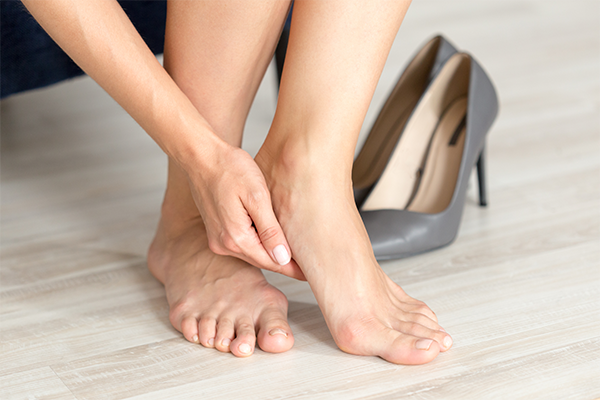
What Happens During a Biomechanical Foot Assessment?
Introduction to Biomechanical Foot Assessment
If you've been experiencing foot pain or discomfort, you may have heard about a "biomechanical foot assessment." At The Foot and Lower Limb Clinic, located in Brighouse and Colne, we understand the complexities of foot health and the importance of proper assessment. A biomechanical foot assessment is a systematic evaluation that helps us diagnose various foot and lower limb conditions and develop a personalized treatment plan. In this article, we will discuss what happens during a biomechanical foot assessment, its significance, and how it can lead to effective treatment options.
What Is a Biomechanical Foot Assessment?
A biomechanical foot assessment is a comprehensive evaluation that analyzes the structure, function, and movement of your feet and lower limbs. This assessment is essential for identifying issues that may contribute to pain, discomfort, or injury. Foot mechanics refer to how your feet function during walking, running, and other activities. Understanding these mechanics allows us to pinpoint any abnormalities that could lead to conditions such as:
- Plantar fasciitis
- Flat feet
- High arches
- Achilles tendinopathy
- Alignment issues
What Happens During a Biomechanical Foot Assessment?
A biomechanical foot assessment typically involves several steps, each designed to gather crucial information about your foot health:
1. Patient History
The process begins with a detailed conversation about your medical history, lifestyle, and specific concerns. We will ask about any previous foot injuries, existing medical conditions, and your daily activities. This information helps guide the assessment and informs our treatment strategy.
2. Visual Examination
Next, our podiatrists will perform a visual examination of your feet and lower limbs. This includes assessing the shape, size, and alignment of your feet—look for signs of swelling, redness, or deformities that could indicate underlying conditions.
3. Gait Analysis
Gait analysis is a critical component of the assessment. You will be asked to walk or run in a straight line while we observe your movement patterns. We may use video capture technology to analyze your gait in detail. This allows us to identify issues such as overpronation, supination, or other abnormal foot mechanics.
4. biomechanical Testing
We will also perform various physical tests to evaluate your range of motion, muscle strength, and joint flexibility. This might include:
- Assessing your ankle and foot range of motion
- Checking for any muscle imbalances
- Testing your balance and stability
5. Footwear Assessment
Your choice of footwear can significantly impact foot health. We may evaluate the shoes you typically wear to check for wear patterns and ensure they provide the necessary support. This includes examining arch support, cushioning, and overall fit.
6. Recommendations and Treatment Plan
After the assessment is complete, we will discuss our findings with you. We will explain any identified issues and recommend a tailored treatment plan. This may include:
- Custom orthotics
- Exercises and stretches
- Physical therapy
- Changes to footwear
- Possibly medication for inflammation
How Does a Biomechanical Foot Assessment Help?
A thorough biomechanical foot assessment can help address various foot conditions effectively. By pinpointing the root cause of your discomfort, we can develop a treatment plan that not only alleviates pain but also prevents future issues. Whether you're a casual walker or an avid runner, understanding your foot's mechanics is crucial to maintaining optimal foot health.
What Conditions Can be Diagnosed?
A biomechanical foot assessment can diagnose a wide range of conditions, including:
- Plantar fasciitis
- Achilles tendinopathy
- Metatarsalgia
- Sever's disease
- Bunions and hammertoes
- Shin splints
FAQ Section
1. How long does a biomechanical foot assessment take?
The assessment typically lasts between 30 to 60 minutes, depending on the complexity of your condition.
2. Will I need to wear special shoes for the assessment?
It's best to wear your regular footwear during the assessment so we can evaluate any wear patterns. If you have a specific issue, we may discuss appropriate footwear afterward.
3. Can children have a biomechanical assessment?
Yes, children can benefit from a biomechanical foot assessment, especially if they are experiencing foot pain or discomfort.
4. What is the cost of a biomechanical foot assessment?
Costs can vary, so it's best to contact The Foot and Lower Limb Clinic for specific pricing information and availability.
5. How often should I have a biomechanical foot assessment?
We recommend having an assessment every 1-2 years, or more frequently if you notice changes in your foot health, pain, or discomfort.
Conclusion
A biomechanical foot assessment is a vital process for anyone experiencing foot-related issues. At The Foot and Lower Limb Clinic in Brighouse and Colne, we prioritize your foot health and well-being. By understanding the mechanics of your feet, we can offer tailored solutions to enhance your mobility and quality of life. If you're ready to take the first step towards better foot health, book your biomechanical foot assessment today.