Hammer Toes, Claw Toes & More: Understanding Toe Abnormalities
Understanding Toe Abnormalities: Hammer Toes, Claw Toes & More
At The Foot and Lower Limb Clinic in Brighouse and Colne, we often see patients struggling with various toe abnormalities. These conditions, including hammer toes and claw toes, can affect your mobility and overall foot health. In this article, we will break down these common toe problems, their causes, symptoms, and available treatments. Our goal is to provide you with the knowledge you need to better understand these conditions and how to address them.
What Are Hammer Toes?
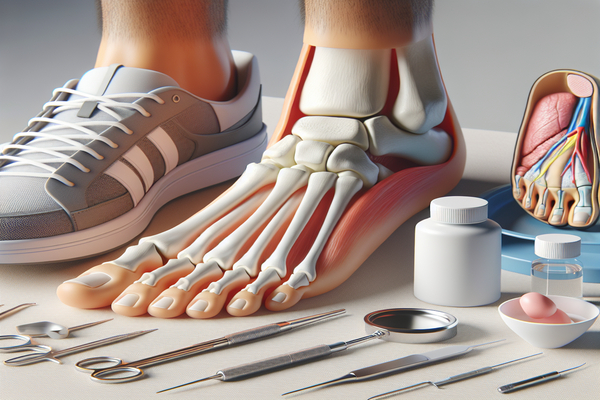
Hammer toes are a deformity characterized by an unnatural bend in the middle joint of the toe, causing it to resemble a hammer. Typically, this condition affects the second, third, or fourth toes and can develop gradually over time.
What Causes Hammer Toes?
- Genetics: A family history of foot problems can increase your risk.
- Improper Footwear: Shoes that are too tight or narrow can lead to hammer toes.
- Foot Conditions: Conditions such as arthritis, diabetes, or neuromuscular disorders can contribute.
- Muscle Imbalance: An imbalance between the muscles, tendons, and ligaments can cause the toe to bend.
Symptoms of Hammer Toes
Common symptoms include:
- Visible bending of the toe at the middle joint
- Pain or discomfort, especially when wearing shoes
- Calluses or corns on the top of the toe
- Difficulty moving the toe
What Are Claw Toes?
Claw toes share similarities with hammer toes but are characterized by an upward bending of the last joint of the toe while the middle joint bends downwards, resembling a claw. Claw toes can impact one or multiple toes and are commonly seen in individuals with neuropathy or inflammatory joint diseases.
What Causes Claw Toes?
- Neuromuscular Disorders: Conditions that affect nerve function can lead to claw toes.
- Length of Toes: Longer toes may be more susceptible to developing clawing.
- Footwear Choices: High-heeled or poorly-fitting shoes can exacerbate the condition.
Symptoms of Claw Toes
Symptoms of claw toes include:
- Formation of corns or calluses on the tops or sides of the toes
- Pain in the feet or toes
- Difficulty walking, particularly when wearing shoes
- Visible bending of the toe joints
How Can I Treat Toe Abnormalities?
Treating hammer toes and claw toes involves various strategies depending on the severity of the condition. Here are common treatment options:
Conservative Treatments
- Footwear Modifications: Wearing well-fitted, comfortable shoes can alleviate pressure on the toes.
- Orthotics: Custom foot orthoses can help correct abnormal foot mechanics.
- Stretching Exercises: Regular exercises can improve flexibility and reduce discomfort.
- Podiatric Care: Regular visits to a podiatrist can help manage symptoms and prevent worsening of the condition.
Surgical Treatments
If conservative treatments fail, surgical options may be considered:
- Toe Realignment: Surgery to realign the joint of the affected toe.
- Bone Restructuring: Procedures to remove bony prominences or adjust bone structure.
Can Toe Abnormalities Be Prevented?
While not all toe abnormalities can be prevented, several measures can help decrease your risk:
- Choosing appropriately fitting footwear with ample toe space.
- Avoiding high heels or shoes that create pressure on the toes.
- Maintaining overall foot health through regular check-ups with a podiatrist.
FAQ: Common Questions About Toe Abnormalities
1. Are hammer toes and claw toes the same?
No, they are different conditions. Hammer toes involve a bend in the middle joint, while claw toes involve both an upward bend at the toe's base and a downward bend at the middle joint.
2. Can I treat toe abnormalities at home?
Some mild cases can be managed at home with proper footwear and stretching exercises, but consultation with a podiatrist is recommended for effective treatment.
3. How long does recovery take after surgery?
Recovery time varies based on the specific procedure and individual healing rates. Generally, it can range from a few weeks to several months.
4. Will toe abnormalities get worse if not treated?
Yes, untreated toe abnormalities can worsen, leading to significant pain, discomfort, and mobility issues.
5. What kind of doctor should I see for toe deformities?
A podiatrist specializes in foot and lower limb conditions and is best qualified to diagnose and treat toe abnormalities.
Conclusion
If you are experiencing symptoms of hammer toes, claw toes, or any other toe abnormalities, it’s essential to seek professional advice. At The Foot and Lower Limb Clinic in Brighouse and Colne, our team is committed to providing you with tailored treatment options to alleviate your discomfort and enhance your mobility. Don't wait for your symptoms to worsen — book an appointment today and take the first step towards healthier feet!