Is Your Footwear Making Things Worse?
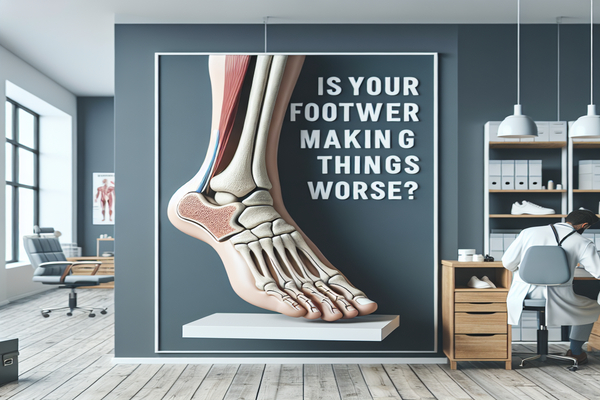
Is Your Footwear Making Things Worse?
Footwear plays a critical role in our overall foot health. At The Foot and Lower Limb Clinic in Brighouse and Colne, we often see patients who suffer from various foot ailments exacerbated by improper shoes. From plantar fasciitis to bunions, the type of footwear you choose can significantly affect your foot function and comfort. In this article, we will explore how your shoes might be contributing to your foot problems, what specific conditions can be aggravated by improper footwear, and the best practices for choosing the right shoes.
What Causes Foot Pain Related to Footwear?
Numerous factors contribute to foot pain, especially when linked to footwear. Common causes include:
- Inadequate Support: Shoes lacking arch support can lead to conditions like flat feet or plantar fasciitis, causing heel pain and discomfort.
- Improper Fit: Shoes that are too tight can cause conditions such as bunions, hammertoes, and corns.
- High Heels: Wearing high heels excessively can lead to chronic foot pain, metatarsalgia, and increase the risk of ankle sprains.
- Lack of Cushioning: Insufficient cushioning can lead to metatarsal pain and exacerbate joint issues, especially in athletes.
How Do Specific Foot Conditions Relate to Footwear?
Certain foot conditions can be directly linked to the type of shoes you wear:
- Plantar Fasciitis: Poor arch support can put extra strain on the plantar fascia, leading to inflammation and pain.
- Bunions: Tight-fitting shoes can push your toes together, contributing to the development of bunions over time.
- Shin Splints: Inadequate cushioning or support can lead to shin splints for runners and active individuals.
- Achilles Tendonitis: Shoes that do not provide the right heel height can stress the Achilles tendon, leading to inflammation and pain.
What Features Should You Look for in Good Footwear?
To promote foot health, consider the following features when shopping for shoes:
- Arch Support: Choose shoes that provide adequate arch support tailored to your foot's arch type (high, normal, or flat).
- Fit: Ensure there is enough room in the toe box and the shoe fits snugly in the midfoot without being too tight.
- Cushioning: Look for shoes with sufficient cushioning to absorb impact, especially if you are active.
- Heel height: A low heel is generally better for your foot health than a high heel, which can cause undue stress on the feet.
How Can I Treat Foot Pain Related to Improper Footwear?
If you are experiencing foot pain that you suspect is related to your footwear, consider the following steps:
- Assess Your Shoes: Take a close look at your current footwear and evaluate whether they meet the necessary criteria for support and fit.
- Consult a Podiatrist: At The Foot and Lower Limb Clinic, our specialists can provide a thorough assessment and recommend suitable footwear options and orthotics if necessary.
- Engage in Stretching and Strengthening Exercises: Exercises focusing on the feet and calves can alleviate stiffness and improve strength.
- Consider Orthotics: Custom orthotics can provide additional support and relieve pressure on specific foot areas.
When Should You See a Podiatrist?
If you experience persistent foot pain, it's essential to consult a professional. Signs that indicate a visit to The Foot and Lower Limb Clinic may be necessary include:
- Persistent pain that does not improve with rest and proper footwear.
- Swelling, redness, or changes in skin texture around the feet.
- Difficulty walking or bearing weight on your foot.
- Recurring injuries or pain after physical activity.
Frequently Asked Questions (FAQ)
1. What are the signs of poor footwear?
Signs include foot pain, blisters, bunions, and difficulty walking comfortably.
2. Can shoe insoles help foot pain?
Yes, custom orthotics or insoles can provide additional support and comfort for various foot conditions.
3. How often should I replace my shoes?
It’s advisable to replace athletic shoes every 300 to 500 miles or if you notice visible wear.
4. What types of shoes are best for flat feet?
Shoes with good arch support and stability features are best for individuals with flat feet.
5. How can high heels affect my foot health?
High heels can lead to multiple issues such as bunions, metatarsalgia, and chronic heel pain.
In conclusion, the footwear you choose can significantly impact your foot health. At The Foot and Lower Limb Clinic in Brighouse and Colne, we are dedicated to helping you understand the relationship between your shoes and foot conditions. If you've been experiencing foot pain, don’t hesitate to reach out. Schedule an appointment with our specialists to find the right footwear solutions and treatment tailored to your needs. Book your appointment today!