What Your Feet Say About Your Overall Health
Understanding the Connection Between Your Feet and Overall Health
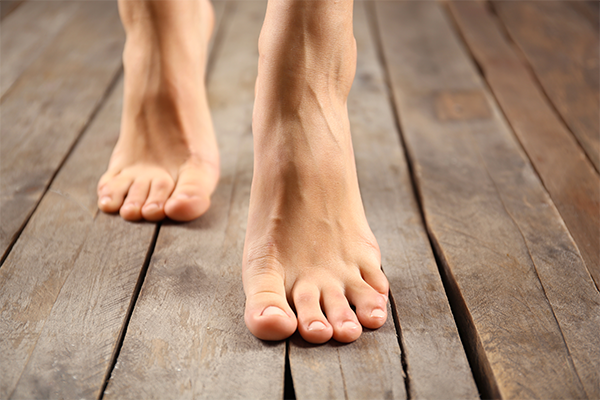
Your feet are not just the foundation of your body; they can also serve as important indicators of your overall health. At The Foot and Lower Limb Clinic located in Brighouse and Colne, we frequently observe how various foot conditions reflect a person's general well-being. In this article, we'll explore what your feet say about your health, common foot ailments, their potential underlying causes, and how you can take proactive steps to maintain optimal foot and bodily health.
What Do Common Foot Conditions Indicate About Your Health?
Many foot ailments can be a sign of systemic issues. Here are a few noteworthy conditions to consider:
- Plantar Fasciitis: Characterized by heel pain, this condition has been linked to obesity and diabetes. It often indicates an imbalance in your lower limb mechanics or inadequate footwear.
- Fungal Infections: Persistent athlete's foot or nail fungus can indicate a weakened immune system or poor hygiene habits. These infections thrive in warm, moist environments.
- Flat Feet: Overpronation and flat feet can contribute to poor posture and joint pain, signaling possible issues with weight distribution in your body.
- Foot Ulcers: Commonly seen in patients with diabetes, foot ulcers can lead to severe complications. They are a significant warning sign of uncontrolled blood sugar levels.
- Blisters: Frequent blisters may suggest improper footwear, which can lead to skin breakdown and infection.
What Causes Various Foot Issues?
Foot problems can arise from a variety of factors:
- Genetics: Inherited conditions like bunions or flat feet may predispose individuals to foot problems.
- Diabetes: High blood sugar levels can damage nerves and blood vessels, leading to peripheral neuropathy, which may result in foot complications.
- Age: As we age, ligaments and tendons lose elasticity, increasing the risk of joint pain and foot deformities.
- Physical Activity: Overuse injuries, such as stress fractures or tendinitis, are common among athletes or those who engage in high-impact activities.
How Can I Treat Common Foot Conditions?
Effective treatment begins with the right diagnosis. Here are several options based on specific conditions:
- Rest and Ice: For conditions like plantar fasciitis or stress fractures, resting the affected foot and applying ice can reduce inflammation.
- Orthotics: Custom-made insoles help correct biomechanical issues by providing support and improving foot alignment.
- Topical Treatments: Antifungal creams can treat infections, while prescription medications may be necessary for more severe cases.
- Surgery: In extreme cases, surgical intervention may be warranted for issues like bunions or severe degenerative conditions.
- Physical Therapy: A structured rehabilitation program can help restore function and alleviate pain through targeted exercises.
What Can You Do to Prevent Foot Problems?
Preventive measures are crucial for maintaining healthy feet:
- Wear Proper Footwear: Choose shoes that provide adequate support, fit well, and are appropriate for your activities.
- Maintain a Healthy Weight: Reducing excess weight can alleviate stress on your feet and lower limbs.
- Practice Good Foot Hygiene: Keep your feet clean and dry to prevent infections.
- Regularly Examine Your Feet: Look for changes and symptoms, ensuring early detection of conditions like sores or color changes.
When Should You See a Podiatrist?
If you experience persistent foot pain, changes in skin or nails, or any discomfort that affects your daily activities, visiting a podiatrist is essential. At The Foot and Lower Limb Clinic, we assess and treat a wide range of foot health issues to improve your quality of life.
Frequently Asked Questions (FAQ)
1. What are common symptoms that indicate I need to see a podiatrist?
2. How can I tell if my foot pain is serious?
If your foot pain persists despite rest and over-the-counter treatments or is accompanied by swelling, redness, or fever, consult a podiatrist.
3. Can foot problems be related to systemic diseases?
Yes, many foot problems like ulcers or neuropathy can indicate systemic conditions, particularly diabetes or circulatory issues.
4. What preventative measures can I take to avoid foot conditions?
Wearing proper shoes, maintaining a healthy weight, practicing good hygiene, and monitoring your foot health regularly are effective prevention strategies.
5. Are foot massages beneficial for foot health?
Foot massages can improve circulation and alleviate tension, contributing to overall foot health. However, they should not replace proper medical treatment for underlying conditions.
Conclusion
Your feet can provide critical insights into your overall health, making it essential to pay attention to any changes or discomfort you experience. At The Foot and Lower Limb Clinic in Brighouse and Colne, we’re committed to educating our patients about foot health and providing appropriate treatments for a variety of conditions. If you are experiencing any foot-related issues, don't hesitate to book an appointment with us today.