Do Orthotics Really Work? Common Myths Busted
Do Orthotics Really Work? Common Myths Busted
At The Foot and Lower Limb Clinic, located in Brighouse and Colne, we often encounter patients questioning the effectiveness of orthotics. Many misconceptions surround these supportive devices, causing confusion for those suffering from various foot conditions. In this article, we will clear up these common myths and provide evidence-based information about orthotics' true role in foot health.
What Are Orthotics?
Orthotics are custom-made or pre-fabricated insoles designed to support, align, or improve the function of the foot. They can alleviate pain, correct biomechanical issues, and enhance overall mobility. Common foot conditions treated with orthotics include:
- Plantar fasciitis
- Flat feet
- High arches
- Runner's knee
- Morton's neuroma
How Do Orthotics Work?
Orthotics function by redistributing pressure across the foot, correcting abnormal foot mechanics, and enhancing foot stability. They can help by:
- Reducing stress on the plantar fascia, thus alleviating pain associated with plantar fasciitis.
- Improving alignment of the ankle and foot joints, which can relieve knee, hip, and back pain.
- Providing arch support that may benefit individuals with flatfoot or high-arched feet.
Common Myths About Orthotics
Myth 1: Orthotics are Only for People with Serious Foot Problems
While orthotics are often recommended for individuals with chronic pain or structural issues, they can also benefit those with mild discomfort. Regularly wearing orthotics can help prevent foot injuries and enhance overall foot health.
Myth 2: Over-the-Counter Orthotics are Just as Effective as Custom Ones
Evidence shows that custom orthotics are generally more effective than off-the-shelf options for treating specific foot conditions. Custom orthotics are tailored to an individual’s unique foot structure and the specific biomechanical issues they face, leading to better outcomes.
Myth 3: Orthotics Will Weaken Your Feet
Many believe that relying on orthotics can weaken foot muscles. However, when prescribed correctly by a podiatrist, orthotics can actually promote proper alignment and function, thus improving strength in your feet and lower limbs over time.
Myth 4: All Orthotics are Bulky and Uncomfortable
Modern orthotics can be designed to fit various types of footwear and usually incorporate advanced materials for enhanced comfort and support. You may even find that you prefer wearing orthotics regularly.
Myth 5: Once You Start Using Orthotics, You’ll Always Need Them
While some individuals may require orthotics long-term, others might only need them during the healing process. Guided rehabilitation exercises and strengthening programs can sometimes help individuals transition away from orthotics.
Who Should Consider Custom Orthotics?
If you experience persistent foot pain, have been diagnosed with a condition affecting your feet, or notice discomfort during activities, it may be time to consider custom orthotics. Consulting with a qualified podiatrist at The Foot and Lower Limb Clinic in Brighouse and Colne can help determine the right course of action tailored to your specific needs.
How to Obtain Custom Orthotics?
To get started with custom orthotics, follow these steps:
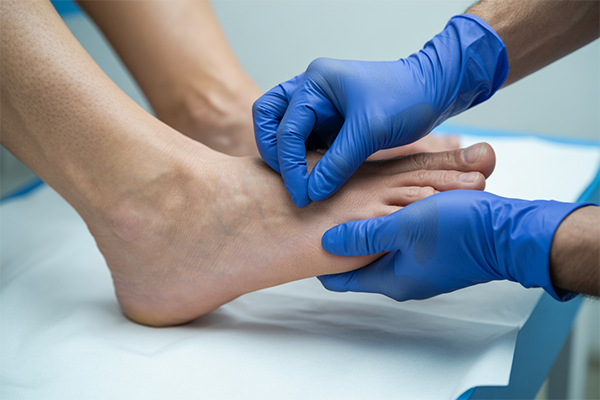
- Consult a Podiatrist: Schedule an appointment at The Foot and Lower Limb Clinic to discuss your symptoms and undergo a thorough foot examination.
- Assessment and Molding: Your podiatrist may take impressions or use 3D imaging to capture the exact contours of your feet.
- Review and Fit: Once your orthotics are ready, your podiatrist will ensure they fit properly and evaluate your walking mechanics.
FAQ
1. How long does it take to get used to wearing orthotics?
Many patients require a short adjustment period, typically a few days to a couple of weeks. It's best to gradually increase the amount of time you wear them daily.
2. Can I wear orthotics with any type of shoe?
While custom orthotics are designed to fit most footwear, it’s advisable to wear them with supportive shoes that have removable insoles for optimal comfort.
3. How often should I replace my orthotics?
Custom orthotics generally last between 1 to 3 years, depending on usage and wear. Regular evaluations with your podiatrist can help determine when replacements are necessary.
4. Are orthotics covered by insurance?
Many insurance policies cover custom orthotics, but it's important to check with your provider. Your podiatrist can assist you in obtaining the necessary documentation.
5. Will orthotics help with running injuries?
Yes, orthotics can help correct biomechanical issues that may contribute to running injuries, providing the necessary support and alignment.
Conclusion
Understanding the facts about orthotics is essential for making informed decisions regarding your foot health. At The Foot and Lower Limb Clinic in Brighouse and Colne, we are dedicated to providing our patients with expert advice and personalized care. If you think you might benefit from custom orthotics, book an appointment with us today and take the first step toward healthier feet.