Chiropody in Brighouse: What Causes Painful Calluses Beneath the Toes?
Introduction
At The Foot and Lower Limb Clinic, located in Brighouse and Colne, we understand that foot health is vital for overall well-being. One common condition that affects many of our patients is painful calluses beneath the toes. In this article, we explore the causes, implications, and treatment options for this discomforting issue, shedding light on how it can impact your daily life.
What Causes Painful Calluses Beneath the Toes?
Calluses are thickened areas of skin that develop as a protective response to friction, pressure, or irritation. The reasons for experiencing painful calluses beneath the toes can vary considerably. Here, we outline some of the main contributing factors:
- Footwear Choices: Shoes that are too tight, too loose, or lacking proper arch support can lead to abnormal pressure, causing calluses to form.
- Foot Structure: Structural abnormalities such as bunions, hammertoes, or high arches can alter the way weight is distributed across the foot, increasing friction in localized areas.
- Activity Levels: Frequent activities that put stress on the toes, such as running or dancing, can also contribute to the development of calluses.
- Skin Conditions: Conditions such as psoriasis or eczema may lead to thickening and hardening of the skin, resulting in painful calluses.
- Diabetic Neuropathy: For individuals with diabetes, nerve damage can result in altered sensations in the feet, which may lead to improper weight distribution and callus formation.
How Do I Know If I Have Calluses? Symptoms to Look For
Recognizing the symptoms of calluses is essential for prompt treatment. Symptoms may include:
- Localized thickening of skin on the toes or foot.
- A hardened, raised area that feels rough to the touch.
- Discomfort or pain when weight is placed on the affected area.
- Skin discoloration, such as a yellowish hue.
If you experience any of these symptoms, it may be time to seek professional evaluation.
How Can I Treat Painful Calluses Beneath the Toes?
Effective management of calluses often involves a combination of at-home care and professional treatment. Here are some recommended strategies:
- Proper Footwear: Invest in well-fitting shoes with appropriate cushioning and support. Avoid high heels and narrow toe boxes that contribute to pressure.
- Pumice Stone: Gently exfoliate the callused areas with a pumice stone after bathing to remove dead skin. Be cautious not to overdo it, as this can lead to irritation.
- Moisturizing Creams: Regularly apply a thick moisturizing cream containing urea or salicylic acid, which can help soften the hardened skin.
- Custom Orthotics: In cases where foot structure is a contributing factor, custom orthotics can redistribute pressure and alleviate discomfort.
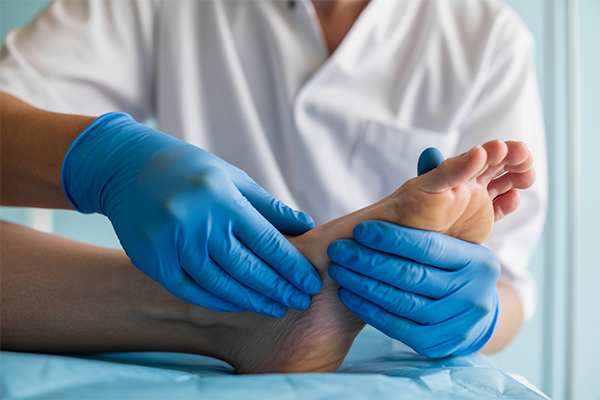
- Professional Care: If at-home remedies fail to provide relief, consider visiting us at The Foot and Lower Limb Clinic for a thorough assessment and potential treatment options, such as paring down the callus or addressing underlying issues.
When Should I See a Podiatrist?
It is advisable to consult a podiatrist if you experience:
- Severe pain that hinders normal activities.
- Changes in the color of the callus or surrounding skin.
- Signs of infection, such as redness, warmth, or discharge.
- Calluses recurring frequently despite at-home care.
Your foot health is our priority, and early intervention can prevent complications.
Frequently Asked Questions (FAQ)
1. Are calluses dangerous?
While calluses themselves are usually harmless, they can lead to discomfort and, in some cases, complications if not treated properly.
2. Can diabetes cause calluses to form?
Yes, individuals with diabetes may develop calluses due to neuropathy and improper weight distribution. Regular foot assessments are crucial for managing foot health.
3. How can I prevent calluses from forming?
Wearing well-fitting shoes, maintaining foot hygiene, and regularly moisturizing can help prevent calluses from developing.
4. Can I remove calluses at home?
While minor calluses can often be managed at home through exfoliation and moisturizing, it’s best to consult a podiatrist for extensive or painful calluses.
5. What treatments are available at The Foot and Lower Limb Clinic?
We provide a range of treatments including custom orthotics, callus removal, and tailored advice to manage foot conditions effectively.
Conclusion
Painful calluses can significantly affect your daily life, especially if left untreated. At The Foot and Lower Limb Clinic in Brighouse and Colne, we are committed to helping you find relief and regain comfort in your feet. If you’re experiencing any symptoms described in this article, don’t hesitate to book an appointment online today, and take the first step toward healthier, pain-free feet.