Children's Heel Pain in Brighouse: Understanding Sever's Disease
Understanding Sever's Disease
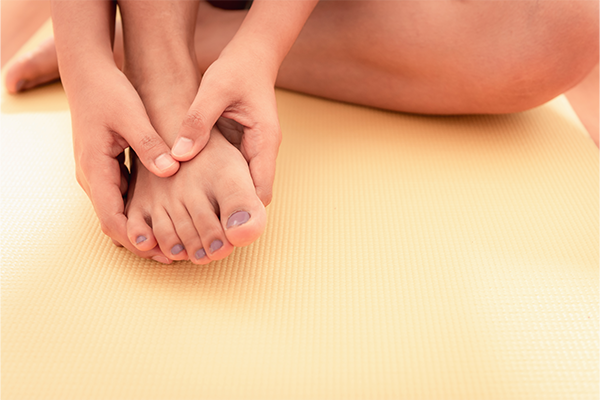
As parents in Brighouse and Colne, you may have noticed your child complaining about heel pain, especially after sports or prolonged activity. One common condition that could be causing this discomfort is Sever's disease, a condition specifically affecting growing children. At The Foot and Lower Limb Clinic, we specialize in diagnosing and treating pediatric foot conditions, ensuring your child remains active and healthy.
What is Sever's Disease?
Sever's disease, or calcaneal apophysitis, is an overuse injury that affects the growth plate in the heel of children, typically occurring between the ages of 8 and 14. This condition is most common in physically active children who participate in sports that involve running and jumping. The repetitive stress on the heel often leads to inflammation and pain.
What Causes Sever's Disease?
The primary cause of Sever's disease is the tension and stress placed on the Achilles tendon, which attaches to the heel bone. During periods of rapid growth, this tendon can pull on the growth plate, leading to irritation and inflammation. Factors that can contribute to Sever's disease include:
- Growth spurts: Rapid increases in height may lead to an imbalance between muscle and bone growth.
- Overuse: Excessive participation in sports without adequate rest can heighten the risk.
- Poor footwear: Shoes that do not provide sufficient support may worsen symptoms.
- High-impact activities: Sports that require jumping or quick direction changes place extra stress on the heel.
What Are the Symptoms of Sever's Disease?
Symptoms of Sever's disease can vary but generally include:
- Heel pain during or after physical activity
- Tenderness in the heel, particularly at the back
- Swelling and inflammation around the heel
- Increased pain with activities that involve running or jumping
Parents should note that symptoms often worsen with activity and improve with rest. It is crucial to address these symptoms early to prevent chronic issues.
How is Sever's Disease Diagnosed?
A thorough clinical examination by a qualified podiatrist at The Foot and Lower Limb Clinic is essential for accurate diagnosis. The assessment may include:
- A physical examination of the foot and ankle
- Assessment of your child's walking and running patterns
- Possible imaging tests, such as X-rays, to rule out other conditions
How Can I Treat Sever's Disease?
Treatment for Sever's disease typically focuses on relieving pain and reducing inflammation. Options may include:
- Rest: Limiting activities that exacerbate heel pain is crucial.
- Ice therapy: Applying ice to the affected area can help decrease inflammation and pain.
- Stretching exercises: Stretching the calf and Achilles tendon can alleviate tension on the heel.
- Orthotic devices: Custom foot orthotics may provide additional support and alignment.
- Proper footwear: Ensuring your child has well-fitted, supportive shoes can make a difference.
In most cases, symptoms improve as your child’s growth plate matures, and with effective management strategies, they can return to their favorite activities.
When Should I Seek Professional Help?
If your child experiences persistent heel pain or if over-the-counter treatments do not provide relief, it is important to seek professional help. Early intervention can prevent complications and ensure a swift recovery.
FAQs About Sever's Disease
1. What age group is most affected by Sever's disease?
Sever's disease typically affects children between the ages of 8 and 14, particularly during periods of rapid growth.
2. Can Sever's disease occur in both boys and girls?
Yes, Sever's disease can affect both boys and girls, particularly those involved in sports that put stress on the heels.
3. How long does it take to recover from Sever's disease?
The recovery time varies but generally can take several weeks to a few months, depending on treatment, activity modification, and the individual child’s growth rate.
4. Are there any long-term effects of Sever's disease?
With proper treatment, most children fully recover without long-term effects. However, untreated conditions could potentially lead to chronic heel pain.
5. How can I prevent Sever's disease in my child?
To prevent Sever's disease, ensure balanced physical activity, proper footwear, regular stretching, and avoid overuse of the heel during sports.
Conclusion
Children's heel pain, particularly due to Sever's disease, can be a source of distress for both kids and parents in Brighouse and Colne. Understanding the causes, symptoms, and treatment options is essential for managing this condition effectively. At The Foot and Lower Limb Clinic, our team is dedicated to providing comprehensive care for your child's foot health. If your child is experiencing heel pain, don’t hesitate. Book an appointment today to ensure their foot health and overall well-being.