What Causes Pressure Points in Your Feet?
Understanding Pressure Points in Your Feet
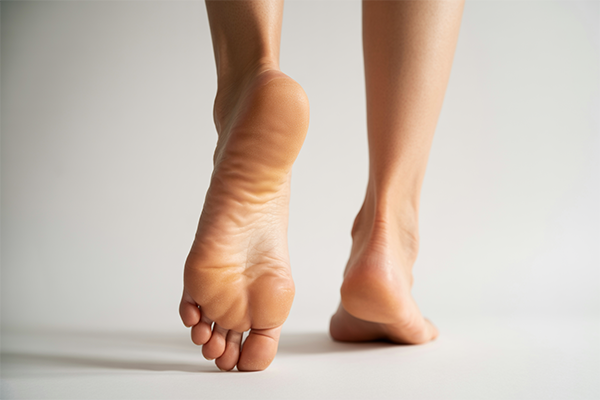
At The Foot and Lower Limb Clinic, located in Brighouse and Colne, we understand that pressure points in your feet can significantly affect your daily life. Pressure points occur when certain areas of the foot experience excessive force, often leading to discomfort, pain, and even injuries. In this article, we will explore the causes of these pressure points, their effects, and how to manage them effectively.
What Causes Pressure Points in Your Feet?
Pressure points in the feet can arise from various factors that affect foot health and comfort. Here are some of the key causes:
- Foot Anatomy: The structure of your feet plays a significant role in pressure distribution. Flat feet or high arches may lead to uneven weight distribution, causing certain areas to bear more weight.
- Improper Footwear: Wearing shoes that do not fit properly can create friction and pressure on specific points. High heels, narrow shoes, or worn-out footwear can exacerbate this issue.
- Foot Conditions: Conditions such as plantar fasciitis, bunions, and hammertoes can contribute to the development of pressure points. These conditions often lead to abnormal gait patterns, placing undue stress on certain areas of the foot.
- Obesity: Increased body weight can lead to excessive pressure on foot structures. This added strain can lead to pressure points forming, especially in individuals with existing foot conditions.
- Activity Level: High-impact activities, such as running or intense sports, can lead to the formation of pressure points. Repetitive trauma to specific areas of the foot may cause inflammation and soreness.
What are the Symptoms of Pressure Points?
Identifying pressure points can help you seek timely treatment. Common symptoms include:
- Localized pain or tenderness at specific foot areas
- Swelling or inflammation around the pressure point
- Redness or visible changes in skin texture
- Difficulty in walking or performing daily activities due to pain
How Can I Treat Pressure Points in My Feet?
Treating pressure points effectively requires a combination of approaches tailored to the underlying causes. Here are some strategies:
- Footwear Adjustment: Ensure you wear shoes that provide proper support and fit well. Consider visiting a podiatrist for recommendations on suitable footwear.
- Orthotic Devices: Custom or over-the-counter orthotics can help redistribute pressure more evenly across your feet.
- Physical Therapy: Engaging in exercises that strengthen foot and leg muscles can help alleviate pressure points over time.
- Ice Therapy: Applying ice to inflamed areas can reduce swelling and numb the pain associated with pressure points.
- Medication: Over-the-counter pain relievers, like ibuprofen or naproxen, can help relieve discomfort and reduce inflammation.
Prevention Tips for Pressure Points
Preventing pressure points in your feet involves addressing potential risk factors. Here are some practical tips:
- Choose supportive footwear with adequate cushioning and a proper fit.
- Maintain a healthy weight to reduce unnecessary strain on your feet.
- Incorporate stretching exercises to improve foot flexibility and strength.
- Gradually increase the intensity of physical activities to avoid overloading your feet.
- Consult with a podiatrist regularly for foot assessments, especially if you have existing foot conditions.
When Should I See a Podiatrist?
If you experience persistent pain or discomfort in your feet, it’s important to consult a podiatrist. Signs that you should seek professional help include:
- Difficulty in walking normally
- Increased swelling or redness
- Chronic pain that does not improve with home treatments
- Visible deformities in the foot structure
Frequently Asked Questions
1. Can pressure points in my feet cause long-term damage?
Yes, if left untreated, pressure points can lead to chronic pain, foot deformities, and complications such as tendonitis or stress fractures.
2. Are there specific exercises that can help relieve pressure points?
Yes, exercises that promote foot flexibility and strength, like toe curls or calf stretches, can alleviate pressure points.
3. How does orthotic intervention work for pressure points?
Orthotic devices help by redistributing weight away from high-pressure areas, thus alleviating pain and preventing further complications.
4. Is it normal to have pressure points in my feet?
While some pressure points can be common, persistent pain should be evaluated by a podiatrist, as it may indicate underlying issues.
5. Are certain foot types more prone to developing pressure points?
Yes, individuals with flat feet or high arches are generally more susceptible to developing pressure points due to their unique foot mechanics.
Conclusion
In summary, understanding the causes and treatments of pressure points in your feet can lead to improved foot health and overall well-being. If you are experiencing any symptoms, don’t hesitate to reach out to The Foot and Lower Limb Clinic in Brighouse and Colne for expert advice and tailored treatment options. Your feet deserve the best care possible.
To take the first step toward relieving discomfort, you can book an appointment with us here.