What Causes Foot Cramping and How to Ease It
Understanding Foot Cramps
Foot cramping is a common ailment that can affect individuals of all ages. At The Foot and Lower Limb Clinic in Brighouse and Colne, we frequently encounter patients struggling with foot cramps. These involuntary muscle contractions can be painful and may occur at any time, significantly impacting your daily activities. In this article, we will explore the causes of foot cramping and discuss effective ways to alleviate discomfort.
What Causes Foot Cramping?
Foot cramps, often described as sudden, sharp pain in the muscles of the foot, can result from a variety of factors. Some common causes include:
- Dehydration: Insufficient fluid intake can lead to muscle cramps, as water is essential for maintaining electrolyte balance.
- Electrolyte Imbalance: Low levels of essential minerals, such as potassium, calcium, and magnesium, can contribute to muscle cramps.
- Muscle Fatigue: Overexertion of foot muscles during extensive physical activity can lead to cramping.
- Poor Circulation: Inadequate blood flow to the feet can cause cramping, often seen in individuals with peripheral artery disease.
- Nerve Compression: Conditions like sciatica or a herniated disc may lead to nerve compression, resulting in cramping in the feet.
- Underlying Medical Conditions: Conditions such as diabetes, thyroid disorders, and multiple sclerosis can also lead to muscle spasms and cramps.
Do Specific Activities Trigger Cramps?
Certain activities are known to increase the likelihood of foot cramps. These can include:
- High-impact sports: Running, basketball, and dancing can strain foot muscles.
- Prolonged standing or sitting: Jobs that require holding a single position for extended periods can lead to cramping.
- Cold Weather: Exposure to cold temperatures can lead to tightened muscles, increasing the risk of cramps.
How Can I Treat Foot Cramps?
Treating foot cramps involves both immediate relief methods and long-term management strategies. Here are some effective approaches:
Immediate Relief Techniques
- Stretching: Gently stretch the affected muscle. For cramps in the calf, straightening the leg and gently pulling the toes towards you can help.
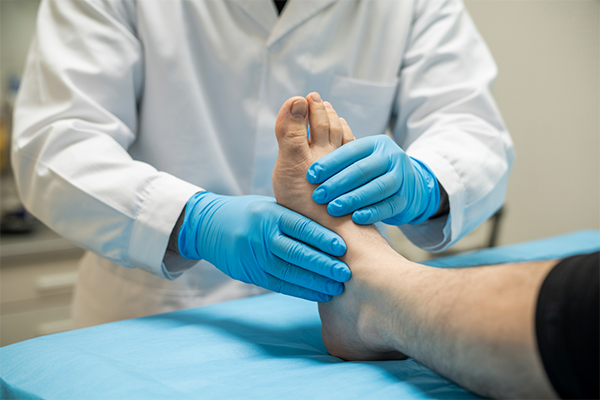
- Massage: Massaging the cramped area can promote relaxation and relieve tension.
- Heat Application: Applying warm compresses or using a heating pad can relax tight muscles.
- Cold Therapy: For inflammation, ice packs applied to the area can help reduce swelling and pain.
Long-Term Strategies
- Hydration: Ensure you drink plenty of fluids daily, especially during exercise.
- Balanced Diet: Include foods rich in potassium, calcium, and magnesium to maintain electrolyte balance.
- Regular Exercise: Engage in exercises that enhance muscle strength and flexibility, such as yoga or pilates.
- Footwear: Wear properly fitted shoes providing adequate support. Avoid high heels or shoes that do not properly support the foot's natural arch.
- Consult a Specialist: If cramps persist despite these measures, a visit to a podiatrist may be necessary to identify underlying conditions or recommend specific treatments.
When Should I See a Doctor?
If you experience frequent or severe foot cramps that disrupt your daily life, it’s essential to seek professional evaluation. Other red-flag symptoms that warrant immediate medical advice include:
- Persistent cramping despite self-care measures
- Swelling, redness, or warmth in the affected area
- Muscle weakness or changes in sensation in the foot
At The Foot and Lower Limb Clinic, our team in Brighouse and Colne is dedicated to diagnosing and treating foot conditions effectively, ensuring you receive the best possible care.
FAQs
1. What are the most common causes of foot cramps?
Common causes include dehydration, electrolyte imbalance, muscle fatigue, poor circulation, nerve compression, and certain underlying health conditions.
2. Are foot cramps serious?
While they are usually not serious, frequent cramps can indicate underlying conditions that may require medical attention.
3. How can I prevent foot cramps?
Prevent cramps by staying hydrated, maintaining a balanced diet, exercising regularly, and wearing supportive footwear.
4. Can tight shoes cause foot cramps?
Yes, tight shoes can restrict blood flow and place excessive pressure on foot muscles, leading to cramps.
5. When should I seek professional help for foot cramps?
Seek medical attention if cramps are frequent, severe, or accompanied by swelling or changes in sensation.
If you are struggling with foot cramps and seeking specialized care, visit The Foot and Lower Limb Clinic in Brighouse and Colne. Our expert team is ready to help you understand and manage your symptoms effectively. Book your appointment today!