Can Bunions Be Treated Without Surgery?
Understanding Bunions: What Are They?
Bunions, also known as hallux valgus, are bony protrusions that develop at the base of the big toe. They occur when the big toe deviates towards the second toe, causing a characteristic bump on the side of the foot. This misalignment can lead to pain, swelling, and difficulty in finding comfortable footwear. If you're experiencing bunion pain, you're not alone; it's estimated that around 23% of adults suffer from this condition at some point in their lives.
What Causes Bunions?
Bunions can arise due to various factors, including:
- Genetics: A family history of bunions can increase the likelihood of developing them.
- Footwear: Wearing tight or ill-fitting shoes, particularly high heels, can contribute to bunion formation.
- Foot Mechanics: Structural abnormalities of the feet, such as flat feet or excessive pronation, can lead to bunion development.
- Injury: Previous injuries to the toe can also predispose an individual to bunion formation.
Can Bunions Be Treated Without Surgery?
Yes, bunions can often be managed without surgical intervention. While surgery may be necessary in severe cases, many patients find relief through conservative treatment options. Here are some effective strategies:
1. Footwear Modifications
One of the most straightforward approaches to managing bunion pain is changing footwear. Here are some tips:
- Choose shoes with a wide toe box that allows enough space for the toes to move comfortably.
- Avoid high heels and narrow shoes that put pressure on the bunion.
- Use custom orthotics to help redistribute pressure and improve foot alignment.
2. Padding and Orthotic Devices
Using cushioned pads and orthotic devices can alleviate pressure on the bunion. These products can:
- Reduce friction between the bunion and shoe.
- Provide arch support to help with foot alignment.
3. Physical Therapy
Engaging in specific exercises can strengthen the muscles around the foot and improve alignment. A qualified physical therapist can:
- Teach exercises that stretch and strengthen the ligaments and tendons in the foot.
- Provide treatments to relieve pain and inflammation.
4. Anti-inflammatory Medications
Over-the-counter anti-inflammatory medications such as ibuprofen can help reduce pain and inflammation associated with bunions. Always consult with a healthcare provider before starting any new medication.
5. Ice Therapy
Applying ice to the affected area can help reduce swelling and pain. Apply ice wrapped in a cloth for 15-20 minutes several times a day, especially after activities that exacerbate the pain.
When Should You Consider Surgery?
While non-surgical methods can be effective, surgery may be warranted if:
- Conservative treatments fail to provide relief.
- Pain significantly affects daily activities or quality of life.
- The bunion is causing secondary foot problems, such as hammertoes or bursitis.
Prevention Tips for Bunions
Preventing bunions involves promoting foot health and making mindful choices about footwear:
- Wear shoes that fit well and distribute weight evenly across the foot.
- Incorporate foot exercises into your daily routine.
- Maintain a healthy weight to reduce excess pressure on your feet.
Frequently Asked Questions (FAQ)
- Can bunions go away on their own? No, bunions typically do not resolve without intervention, but conservative treatment can manage symptoms.
- Are bunions hereditary? Yes, genetics play a significant role in the likelihood of developing bunions.
- Can bunions lead to other foot conditions? Yes, bunions can cause secondary issues like hammertoes and metatarsalgia if left untreated.
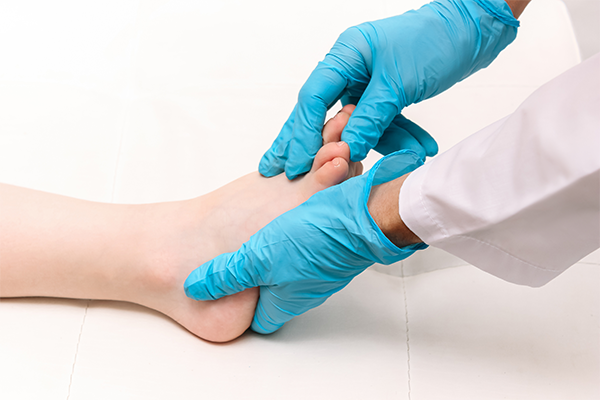
- What are the signs that I should see a podiatrist? If you experience severe pain, swelling, or difficulty in walking, consulting a podiatrist is recommended.
- Is bunion surgery painful? Most patients report manageable pain post-surgery; however, recovery time can vary depending on the surgical technique used.
Conclusion
If you're struggling with bunion pain and are seeking effective treatment options without resorting to surgery, The Foot and Lower Limb Clinic in Brighouse and Colne is here to help. Our team of experienced podiatrists can provide you with personalized care and treatment solutions tailored to your needs. Don’t let bunion pain hold you back from enjoying life — book an appointment today to discuss your options!