Bunions: Can You Slow Them Down Naturally?
Bunions: Can You Slow Them Down Naturally?
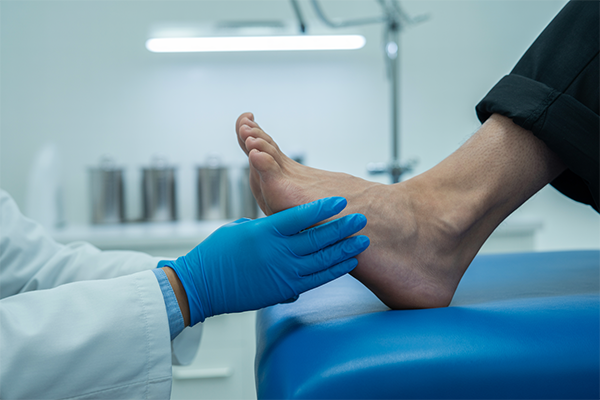
Bunions, or hallux valgus, are painful foot deformities that occur when the big toe deviates towards the other toes. This condition can lead to significant discomfort and stigma in footwear choices. At The Foot and Lower Limb Clinic, serving the communities of Brighouse and Colne, we understand the impact that bunions can have on your daily life. In this blog, we will explore natural approaches to manage and potentially slow down the progression of bunions.
What Causes Bunions?
Bunions develop as a result of various factors, including:
- Genetics: A family history of bunions can predispose individuals to develop this condition.
- Footwear Choices: Wearing shoes that suppress the toes, such as tight-fitting heels or narrow shoes, can exacerbate bunion formation.
- Biomechanical Issues: Abnormalities in foot structure or gait can lead to excessive pressure on the big toe joint.
- Arthritis: Certain types of arthritis can contribute to the development of bunions by inflaming the joint and weakening surrounding tissues.
Can Bunions Be Prevented or Slowed Down Naturally?
While bunions may not be completely preventable, various natural methods can help manage discomfort and potentially slow their progression:
1. Choose Proper Footwear
Select shoes that accommodate the natural shape of your foot. Look for footwear with:
- Wide toe boxes
- Cushioned insoles for added support
- Low or no heels to reduce pressure on the toes
2. Orthotic Devices
Custom orthotics can redistribute pressure away from the bunion. They may include:
- Arch supports to enhance foot alignment
- Bunion pads to cushion the area and reduce friction
3. Foot Exercises
Strengthening and stretching exercises can improve the flexibility and strength of the foot muscles. Consider the following:
- Toe Stretch: Gently stretch your toes apart using your hands.
- Toe Curl: Try picking up small objects with your toes to strengthen them.
- Foot Roll: Use a tennis ball to roll under your foot, massaging tight muscles.
4. Maintain a Healthy Weight
Excess body weight can put additional stress on your feet, leading to increased bunion pain. Maintaining a healthy weight through a balanced diet and regular exercise can reduce pressure on your feet.
5. Apply Ice and Elevate
To alleviate pain and swelling, try applying ice to the bunion. Elevating your foot can also help reduce inflammation, particularly after long periods of standing or walking.
How Can I Treat Bunions When They Become Painful?
When bunions become painful, several treatment options can be explored:
- Over-the-Counter Pain Relievers: Ibuprofen or acetaminophen can help alleviate pain and inflammation.
- Physical Therapy: A qualified physiotherapist can devise a tailored exercise program for your condition.
- Bunion Surgery: In severe cases, surgical intervention may be recommended to realign the toe and remove the bony prominence.
When Should I Seek Professional Help?
If you experience persistent pain, inflammation, or difficulty in finding suitable footwear, it is important to consult a podiatrist. Conditions associated with bunions, such as bursitis or metatarsalgia, may require professional assessment and intervention.
Frequently Asked Questions (FAQ)
- Q: Are bunions hereditary?
A: Yes, a family history can increase the likelihood of developing bunions. - Q: Can bunions be caused by arthritis?
A: Certain forms of arthritis can lead to the development of bunions due to joint inflammation and deterioration. - Q: Is surgery the only solution for bunions?
A: Surgery is often a last resort; many patients find significant relief through conservative treatments. - Q: How long does recovery take after bunion surgery?
A: Recovery can vary, but most individuals return to normal activities within 6 to 8 weeks, depending on the extent of the surgery. - Q: Can I treat bunions at home?
A: Yes, natural methods such as proper footwear, exercises, and pain management can help.
Conclusion
Bunions can be a frustrating condition, but with the right natural strategies, you can manage your symptoms and potentially slow their progression. At The Foot and Lower Limb Clinic in Brighouse and Colne, our team of experienced podiatrists is committed to providing personalized care and treatment plans that suit your needs. If you are struggling with bunion pain or need assistance, we encourage you to book an appointment today!