Bunions in Brighouse: When to Seek Advice
Bunions in Brighouse: When to Seek Advice
Bunions, medically known as hallux valgus, are a common foot condition that can significantly impact your quality of life. At The Foot and Lower Limb Clinic, serving Brighouse and Colne, we understand the discomfort and complications that bunions can cause. This article aims to enlighten you about bunions, their causes, symptoms, treatment options, and when you should seek professional advice.
What Are Bunions?
A bunion is an abnormal bony bump that forms on the joint at the base of the big toe. They develop when the big toe deviates towards the second toe, leading to the characteristic bump on the side of the foot. While bunions can be hereditary, various factors can exacerbate their manifestation.
What Causes Bunions?
- Genetics: A family history of bunions often increases the likelihood of developing this condition.
- Footwear: Wearing ill-fitting shoes, particularly those with a narrow toe box, can put undue pressure on the toes, speeding up the formation of bunions.
- Foot Mechanics: Abnormal foot mechanics or structural issues, such as flat feet or overpronation, can contribute to bunion development.
- Injury: Previous foot injuries can lead to joint misalignment and bunion formation.
What Are the Symptoms of Bunions?
The most common symptoms of bunions include:
- Visible bump on the side of the foot at the base of the big toe
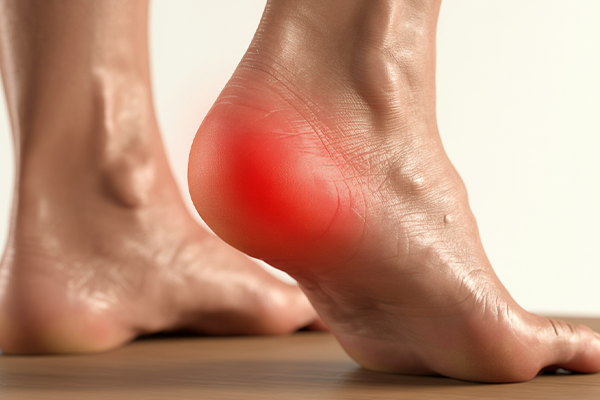
- Pain or soreness at the site of the bunion
- Inflamed or swollen skin around the bunion
- Limited movement of the big toe
- Development of corns or calluses due to friction from footwear
How Can I Treat Bunions at Home?
While professional intervention is often necessary, some home remedies may help alleviate symptoms:
- Proper Footwear: Choose shoes with a wide toe box and good arch support to alleviate pressure on the bunion.
- Ice Therapy: Applying ice to the bunion can reduce inflammation and relieve pain.
- Foot Pads: Cushioned pads can help redistribute pressure on your foot and alleviate pain.
- Toe Separator: Using a toe separator or bunion splint may help realign the big toe and reduce discomfort.
When Should I Seek Advice From a Podiatrist?
If you experience persistent pain or discomfort from your bunion, it’s essential to consult a podiatrist at The Foot and Lower Limb Clinic. Key indicators that you should seek professional advice include:
- Severe, persistent pain that interferes with daily activities
- Inability to wear normal shoes or participate in physical activities
- Visible deformity that worsens over time
- Signs of infection, such as redness or discharge
What Treatment Options Are Available at The Foot and Lower Limb Clinic?
Our experienced team offers a range of treatments tailored to your specific needs, including:
- Orthotic Devices: Custom-made orthotics can help correct foot mechanics and relieve pressure.
- Physical Therapy: Exercises may help strengthen the muscles around the affected joint and improve mobility.
- Corticosteroid Injections: These can reduce inflammation and manage pain effectively.
- Surgical Options: If conservative treatments fail, surgical correction may be necessary. Procedures can vary from bunionectomy to realigning the toe joint.
Can Bunions Be Prevented?
While not all bunions can be prevented, certain measures can help reduce your risk:
- Choose shoes with adequate room for your toes.
- Avoid high heels or narrow-toed shoes.
- Maintain a healthy weight to reduce stress on your feet.
- Perform foot exercises to strengthen foot muscles and improve flexibility.
FAQ
- What causes bunions? Bunions can be caused by genetics, footwear choices, and structural issues in the foot.
- How can I tell if my bunion needs treatment? If you experience persistent pain, restricted movement, or difficulty wearing shoes, consult a podiatrist.
- Are bunions only a cosmetic issue? No, bunions can cause pain, inflammation, and impact mobility and quality of life.
- What are common treatment options for bunions? Options range from conservative measures like custom orthotics to surgical procedures for severe cases.
- Can bunions come back after surgery? There is a possibility, but proper footwear and care can greatly reduce the risk.
If you’re suffering from bunions or have any concerns about your foot health, don’t hesitate to contact The Foot and Lower Limb Clinic in Brighouse or Colne. Our dedicated team of podiatrists is here to provide personalized care to improve your mobility and alleviate your pain. Book your appointment today!