4 Ways to Reduce Pressure on Your Bunions
Understanding Bunions
Bunions, also known as hallux valgus, are painful deformities that occur at the base of the big toe, often resulting in discomfort and difficulty walking. At The Foot and Lower Limb Clinic in Brighouse and Colne, we specialize in podiatry treatments that help alleviate the pressure on bunions. In this article, we will explore four effective ways to reduce pressure on your bunions and manage discomfort.
What Causes Bunions?
Bunions develop when the big toe pushes against the adjacent toe, leading to a misalignment of the joint. Key factors contributing to bunion formation include:
- Genetics: Family history can play a significant role in bunion development.
- Footwear: Tight, narrow shoes that squeeze the toes are a common trigger.
- Biomechanics: Abnormal foot mechanics and excessive pronation can increase the risk of bunions.
- Aging: As we age, the ligaments in the foot can weaken, leading to deformities.
How Can I Treat My Bunions Naturally?
Managing bunion pain and discomfort can be achieved through non-surgical methods. Here are four practical ways to reduce pressure on your bunions:
1. Choose Appropriate Footwear
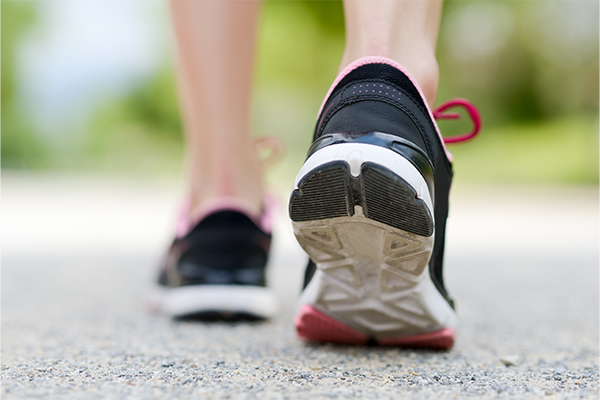
Selecting the right footwear is crucial in minimizing pressure on bunions. Opt for shoes that provide:
- Wide Toe Box: Shoes with a broader toe area allow for natural toe movement and reduce friction.
- Arch Support: Supportive footwear helps maintain proper foot alignment and reduces strain on the bunion joint.
- Cushioning: A padded sole can absorb shock and ease pressure on sore areas of the foot.
2. Use Orthotic Devices
Orthotic devices, such as custom-made insoles or bunion splints, can provide significant relief. They correct foot positioning and distribute weight more evenly, thus reducing pressure on the bunion. Consult with a podiatrist at The Foot and Lower Limb Clinic to determine the best orthotic solution for your needs.
3. Perform Foot Exercises
Engaging in specific foot and toe exercises can help strengthen the muscles surrounding the bunion and improve flexibility. Consider the following:
- Toe Stretch: Sit down and place a towel under your toes. Gently pull the towel toward you while keeping your heel on the ground.
- Foot Squeeze: Using a small ball, place it under your foot and roll it back and forth to improve mobility.
- Big Toe Stretch: Use your hands to gently pull your big toe away from your second toe to encourage proper alignment.
4. Ice and Rest
Applying ice to the bunion can help reduce inflammation and provide pain relief. For best results, follow these steps:
- Apply ice wrapped in a cloth to the affected area for 15-20 minutes.
- Rest your feet whenever possible to reduce strain and inflammation.
When Should I Seek Medical Advice?
If you experience persistent pain or worsening bunion symptoms despite these self-care methods, it may be time to consult with a podiatrist. At The Foot and Lower Limb Clinic, we offer a range of treatment options tailored to your specific needs, including in-depth assessments and advanced therapies to address bunion deformities.
FAQs About Bunions
1. Can bunions be reversed without surgery?
While surgery is often the only way to correct bunion deformities, non-surgical treatments can manage pain and slow progression.
2. Are there specific exercises to avoid with bunions?
Avoid exercises that place excessive strain on the big toe, such as high-impact activities that require jumping or twisting.
3. How long does it take to see improvement with home treatments?
Improvement can vary, but most people notice some relief within a few weeks of consistently implementing these methods.
4. Do bunion pads work?
Bunion pads can provide temporary relief by cushioning the bunion area and reducing friction, but they do not correct the underlying deformity.
5. How often should I see a podiatrist for bunion care?
Regular check-ups every 6 to 12 months can be beneficial, particularly if you experience worsening symptoms or are considering surgical options.
Conclusion
Reducing pressure on your bunions is essential for pain management and maintaining mobility. By following these four strategies, you can alleviate discomfort and improve your quality of life. If you're in Brighouse or Colne and are looking for expert advice or treatment for your bunions, contact The Foot and Lower Limb Clinic. Schedule your appointment today by booking here.